Debate Surrounding President Trump's Federal Intervention in Washington, D.C.: Safety Claims and Skepticism
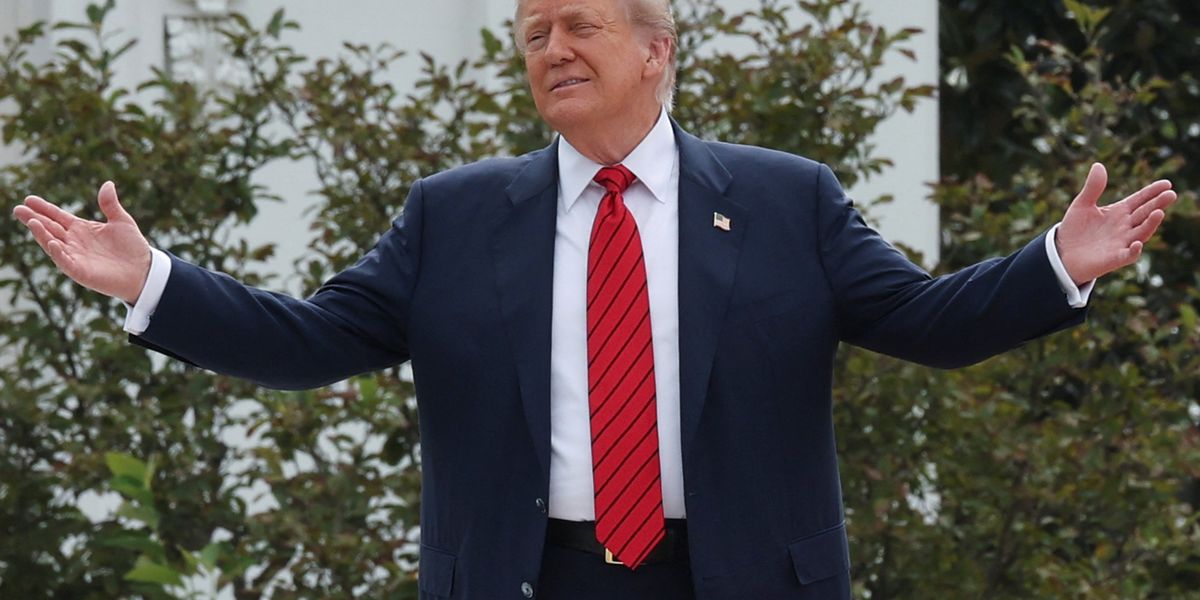
President Donald Trump recently declared that Washington, D.C. had transitioned from being the "most unsafe city in the United States, and perhaps the world" to potentially the safest in just four days after his federal intervention in the capital. Despite critics questioning the effectiveness of the takeover due to the low number of arrests, Trump expressed optimism about the city's safety and future prospects. He emphasized the increasing influx of people into D.C. and hinted at upcoming beautification efforts.
The federal takeover of Washington, D.C. was initiated by Trump last week and has resulted in over 300 arrests as reported by Attorney General Pam Bondi by Sunday. The presence of more than 1,650 federal troops and additional National Guard troops patrolling the streets has led to skepticism from critics who view the intervention as merely symbolic.
Contrary to Trump's assertion, Washington, D.C. does not rank among the top 30 least safe cities in the U.S. based on FBI data. Despite this, Trump maintained that the city had potentially become the safest in the country within a short span of four days. He also accused D.C. officials of manipulating crime statistics to create a false sense of security and claimed that they were now the subject of a serious investigation.
In conclusion, President Trump's declaration of Washington, D.C. transforming into one of the safest cities in the U.S. within a brief timeframe has sparked debate and skepticism among critics. The federal intervention in the capital and the subsequent increase in arrests have raised questions about the true impact of the takeover on the city's safety and security.