Air Canada Flight Attendants' Strike: Negotiations Resume Amid Travel Chaos
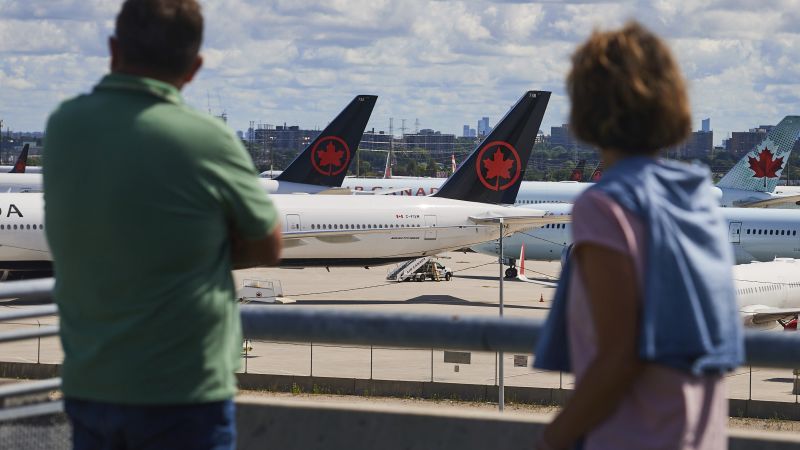
Air Canada and the union representing 10,000 flight attendants have resumed negotiations after the strike began over the weekend, affecting approximately 130,000 travelers daily during the peak summer travel season. The two sides met with a mediator in Toronto, marking the first talks since early Saturday or late Friday. Despite the strike being declared illegal, the flight attendants have refused to return to work, leading to extended cancellations by Air Canada.
The Canada Industrial Relations Board deemed the strike illegal and ordered the flight attendants back to work, but the union has defied the directive. The union president stated that they will not resume operations, even after the airline announced plans to restart flights. The union has also rejected calls for binding arbitration to end the strike. The ongoing dispute has left hundreds of thousands of passengers stranded and disrupted travel plans.
Prime Minister Mark Carney urged both parties to find a swift resolution to the conflict, emphasizing the importance of fair compensation for flight attendants. Air Canada operates around 700 flights daily, with an estimated 500,000 customers affected by the cancellations. The airline has faced significant disruptions, with numerous domestic and international flights being called off since last Thursday.
Passengers like Montreal resident Robert Brzymowski have been left stranded due to flight cancellations, causing personal and professional setbacks. Despite efforts to rebook flights, many travelers have faced challenges in returning home or resuming their daily routines. The ongoing strike has highlighted the need for a timely resolution to minimize the impact on travelers and the aviation industry.
The dispute between Air Canada and the flight attendants' union revolves around pay and working conditions, with both sides unable to reach a consensus after months of negotiations. The airline's offer of a 38% increase in total compensation over four years was rejected by the union, citing concerns about inflation and the initial raise percentage. As the situation unfolds, affected passengers can request refunds through the airline's website or mobile app.
In conclusion, the ongoing strike between Air Canada and its flight attendants has caused widespread disruptions to travel plans and highlighted the need for a resolution to the labor dispute. With negotiations ongoing and passengers facing uncertainty, the focus remains on finding a fair and timely solution to minimize the impact on travelers and the aviation industry.