Title: "Behind Bars: The Inhumane Reality of Florida's Detention Centers
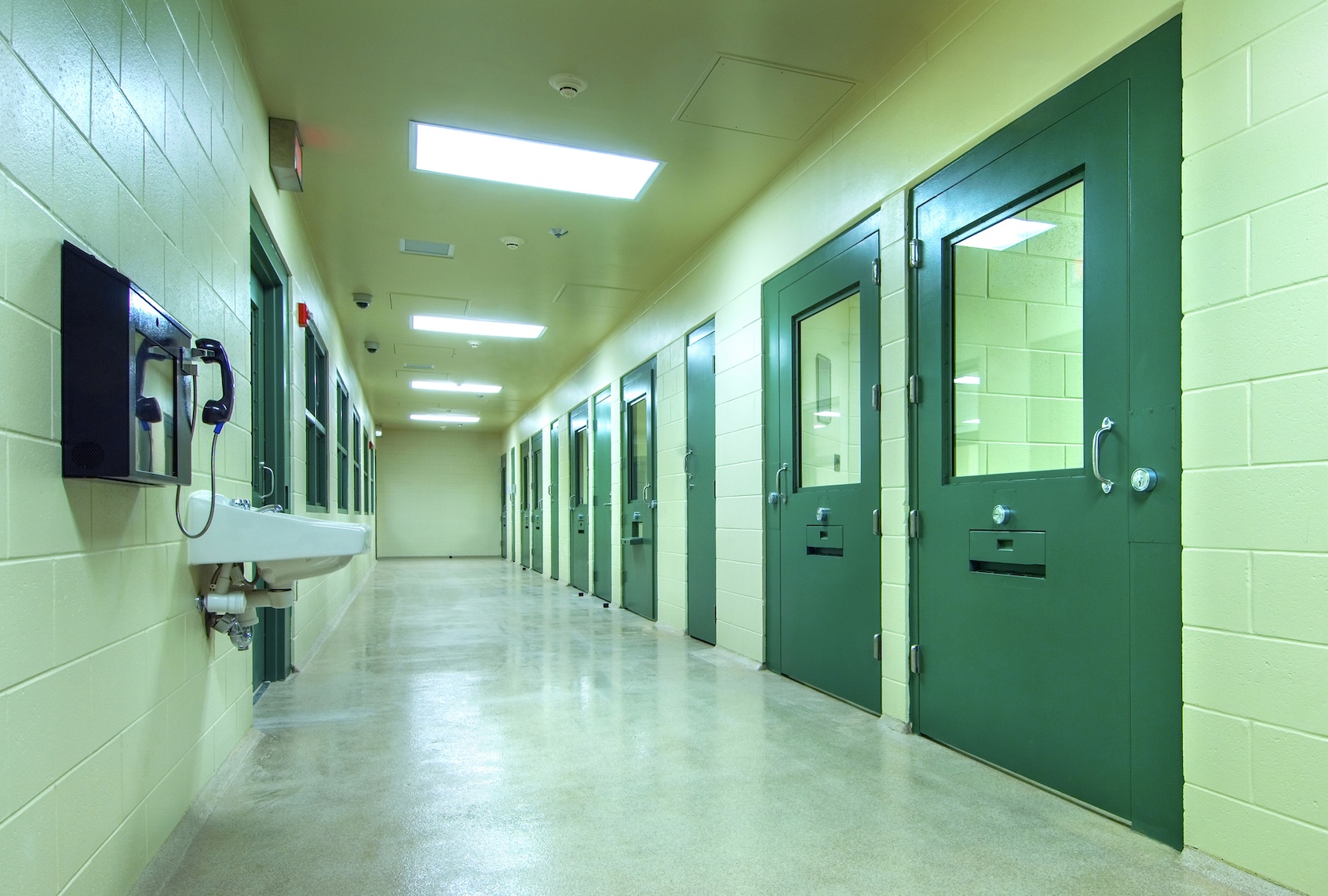
A detention center in the Everglades, known as Alligator Alcatraz, has been under scrutiny for its appalling conditions, including reports of maggots in food, overflowing sewage, and detainees having to deal with fecal matter due to water shortages. Despite the Department of Homeland Security's attempts to suppress information, detainees have launched a hunger strike to protest these conditions.
Legal challenges have arisen against Alligator Alcatraz, with environmental groups and an Indigenous tribe filing a lawsuit citing violations of environmental laws. Another lawsuit by the ACLU claims constitutional rights violations of detainees. Florida is undeterred by these challenges and plans to build a second detention center at a previously closed correctional institution, labeled as the "deportation depot" by Governor Ron DeSantis.
The expansion of detention facilities in the U.S. is alarming, with states like Texas and Indiana developing similar camps. Florida, with its high incarceration rates and collaboration with ICE, is at the forefront of this trend. The state's aggressive immigration policies have led to a quadrupling of immigration detention in less than six months, resulting in overcrowded conditions and detainees sleeping on jail floors.
The inhumane conditions faced by prisoners in Florida are reminiscent of those at Alligator Alcatraz. The author shares a personal story about their uncle, who was stabbed multiple times in a Florida correctional facility. Despite efforts to seek information and help for their uncle, the Florida Department of Corrections provided minimal details and lacked transparency about the incident.
The author highlights the challenges faced by inmates in seeking justice for mistreatment and lack of medical care due to legal barriers. Lawsuits against facilities like Dade Correctional Institution shed light on the harsh conditions faced by inmates, including lack of air conditioning leading to deaths. The normalization of cruel punishment and bureaucratic indifference contribute to the dehumanization of prisoners and immigrants.
The author reflects on the public's desensitization to incarceration and the isolation of prisoners from society. The process of visiting incarcerated loved ones involves numerous obstacles and rules designed to dehumanize and isolate them. The author challenges readers to consider the humanity of prisoners and immigrants, urging a shift in societal attitudes towards those in detention.
In conclusion, the author's personal experience with their uncle's mistreatment in a Florida prison sheds light on the systemic issues within the state's correctional system. The lack of transparency, inadequate medical care, and inhumane conditions faced by inmates reflect a broader trend of dehumanization and neglect in the U.S. criminal justice system. The author calls for greater compassion and awareness of the plight of incarcerated individuals, challenging society to confront the normalization of cruelty in detention facilities.