Supreme Court Term Preview: Revisiting Precedents and Shaping Legal Landscape
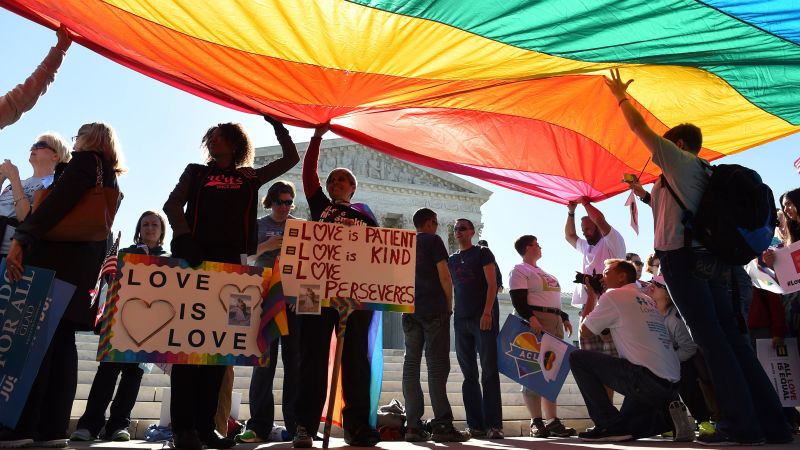
The upcoming Supreme Court term promises to be eventful, with several high-profile precedents potentially up for reconsideration. While the 2015 ruling on same-sex marriage remains a landmark decision, other cases from the past may also face scrutiny. The court's conservative majority has shown a willingness to overturn precedent in recent years, particularly on issues like abortion and government regulations. Some past rulings that could be revisited include a 1935 decision protecting independent agency leaders from presidential dismissal, a 2001 ruling on political party spending limits, and a 1996 decision on prayer at high school football games.
One of the key cases that the Supreme Court may reconsider is the 1935 decision in Humphrey's Executor v. US, which shields independent agency heads from presidential removal without cause. Recent emergency orders have allowed President Trump to dismiss agency leaders appointed by his predecessor, challenging the precedent set by Humphrey's Executor. Another case on the docket involves a challenge to a 2001 ruling on political party spending limits, with Republicans arguing that the decision is outdated and restricts donors' contributions to candidates.
A recent appeal from Kim Davis, a former county clerk who refused to issue marriage licenses to same-sex couples, has raised concerns about the court potentially revisiting its 2015 Obergefell decision. Davis, appealing a jury verdict over her actions, argues that Obergefell was a mistake that must be corrected. However, legal experts point out that public employees like Davis have different obligations than private individuals when it comes to upholding the law. The Supreme Court's decision on Davis' appeal may not necessarily lead to a review of Obergefell.
In another significant case, the Supreme Court will hear arguments on Louisiana's congressional districts map and whether the state violated the 14th Amendment by drawing a second majority-Black district. The outcome of this case could have far-reaching implications for the enforcement of the Voting Rights Act and redistricting practices nationwide. The court's decision on this case may impact how lawmakers consider race when redrawing electoral boundaries every decade.
Additionally, the court will review a 1950 precedent known as the Feres Doctrine, which limits damages litigation from service members and their families. Critics argue that the doctrine prevents service members from filing routine tort claims, including those related to traffic accidents involving government vehicles. The court will also consider a request to overturn a 1996 decision that barred prayer from being broadcast over the public address system before high school football games in Texas. The changing composition of the court and its views on religion may lead to a reevaluation of this precedent.
As the Supreme Court reconvenes this fall, the potential reconsideration of these precedents underscores the ongoing evolution of legal principles and societal norms. The court's decisions in these cases will shape the legal landscape and have lasting implications for various issues, from government agency oversight to campaign finance regulations and religious freedom in public settings. The upcoming term promises to be a pivotal moment for the court and the country as it navigates complex legal challenges and debates.