Revitalizing Sales: How Major Food Companies Are Using Celebrity Partnerships to Attract Consumers
Major food companies like Mondelēz International, PepsiCo, General Mills, J.M. Smucker, and The Campbell’s Company are facing challenges with sluggish sales in North America. Consumers are cutting back on spending for name brand products, opting for cheaper store labels or skipping snacks altogether. To combat this trend, companies are turning to celebrity partnerships to attract consumers back to their products.
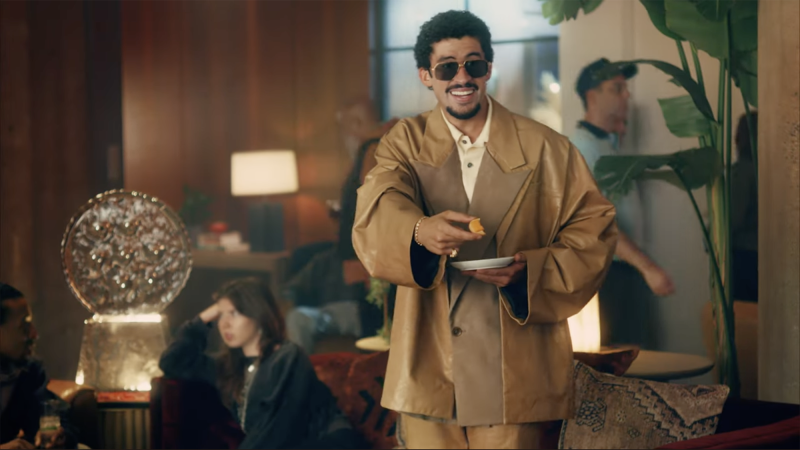
Mondelēz, known for brands like Ritz, Oreos, and Wheat Thins, reported a decline in revenue due to consumer anxiety and a shift to essential items. To revitalize sales, the company is modernizing its offerings, such as introducing new flavors for Ritz to appeal to Gen Z eaters and offering value packs for cost-conscious consumers. They have also partnered with superstar Bad Bunny to target the growing Latino demographic.
Another successful celebrity collaboration is Oreo's partnership with Selena Gomez to create a cookie inspired by her love of horchata. This strategy follows previous collaborations with Lady Gaga and Post Malone, which helped attract new customers and increase brand awareness among Gen Z. These partnerships are crucial as consumers tighten their purse strings, making it essential for brands to offer unique and appealing products.
Doritos, owned by PepsiCo, recently launched a new "Golden Sriracha" flavor and enlisted actor Walton Goggins to star in a humorous ad campaign. The goal is to capture consumers' attention and drive sales, especially as volumes for PepsiCo's North American food division have declined. By leveraging celebrity partnerships and innovative marketing campaigns, these food companies aim to stay relevant and engage consumers in a competitive market.
Overall, celebrity collaborations are expected to continue as major food brands seek to maintain their presence in consumers' shopping carts. These partnerships offer a crossover appeal between beloved celebrities and popular brands, helping to justify higher-priced purchases and create excitement around the products. With larger ad budgets than private labels, food companies can leverage star power to drive sales and maintain consumer interest in their offerings.