Power Struggle in the Capital: Trump's Actions in Washington, D.C., Spark Debate Over Federal Authority
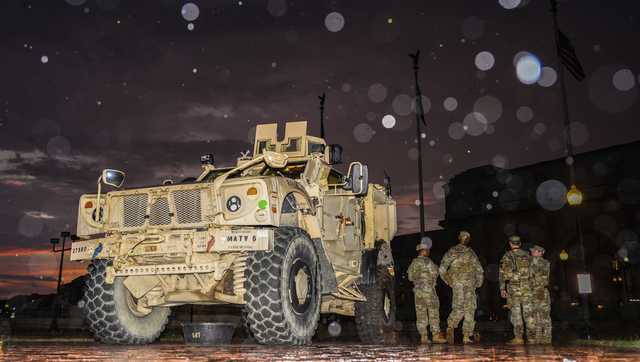
President Donald Trump's recent actions in Washington, D.C., have sparked a heated debate between the left and the right. Trump's move to deploy National Guard troops and attempt to take control of the city's police department has raised concerns about authoritarian rule and federal overreach. While some view it as a necessary step to address crime and disorder in the city, others see it as a dangerous power grab that threatens democracy.
The clash between Trump and local officials over control of the police department has highlighted the unique relationship between the federal government and the District of Columbia. Trump's assertion of authority over law enforcement practices has been met with resistance, leading to legal challenges and calls for compromise. The outcome of this power struggle will have far-reaching implications for the future of policing in the nation's capital.
Washington, D.C., is not just a city; it is a symbol of American democracy and history. The presence of federal institutions, iconic landmarks, and diverse neighborhoods make it a microcosm of the country itself. Trump's actions in the city have drawn attention to issues of crime, homelessness, and urban development, raising questions about the balance between federal intervention and local autonomy.
As the debate continues, the role of the federal government in policing and governance remains a contentious issue. Trump's use of emergency powers to assert control over Washington's law enforcement has sparked criticism and support from various quarters. The ongoing legal battle and political maneuvering underscore the complex dynamics at play in the nation's capital.
In conclusion, the clash between President Trump and local officials in Washington, D.C., reflects broader tensions over the balance of power between the federal government and local authorities. The outcome of this dispute will shape the future of policing and governance in the city, setting a precedent for how similar conflicts are resolved in other urban centers across the country.