Navigating the Changing Landscape: Fast-Casual Chains in the Era of Budget Dining
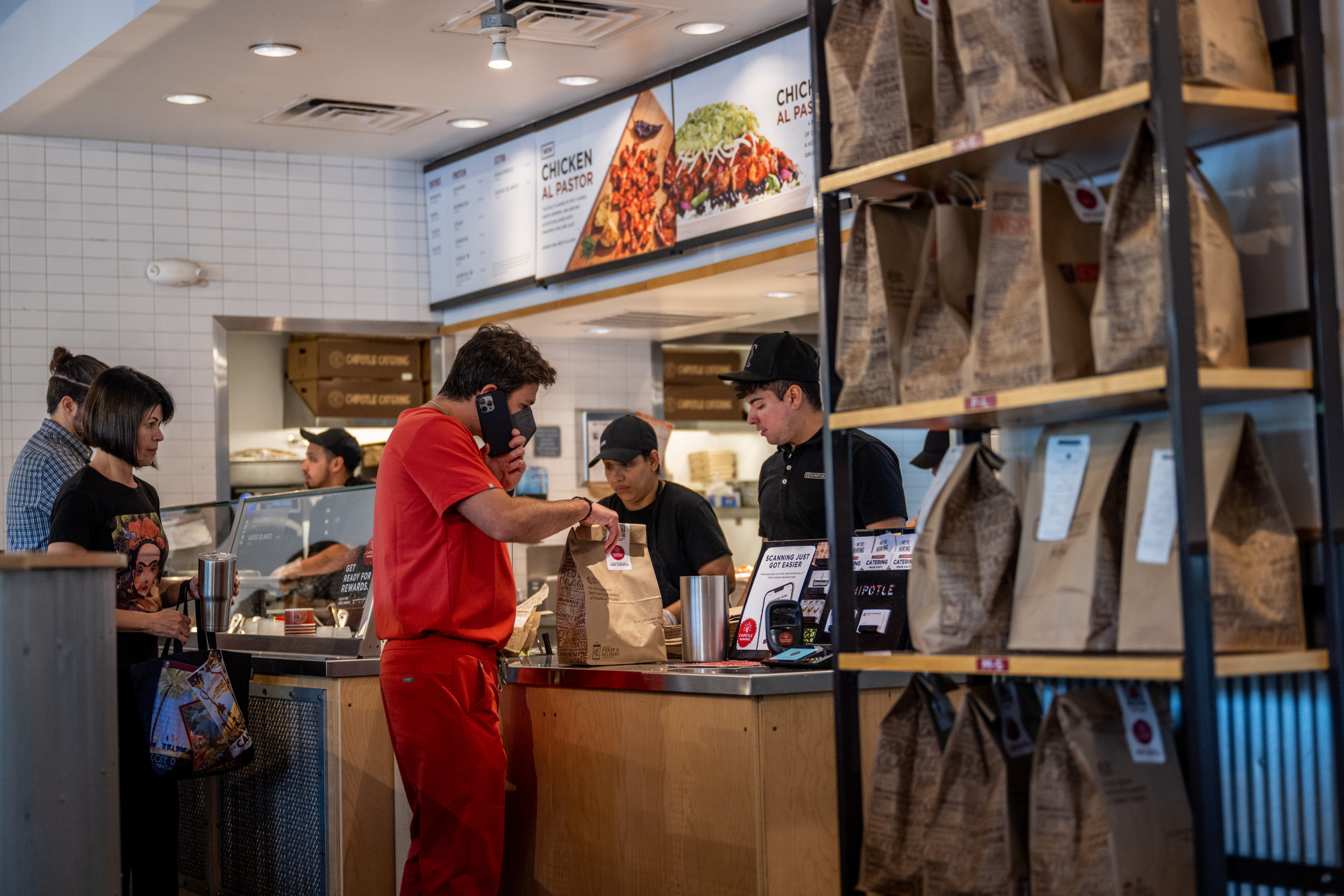
Many Americans are feeling the financial strain and are cutting back on dining out, especially those in lower- and middle-income households. This shift is reflected in the decrease in restaurant sales, with Americans consuming one billion fewer restaurant meals in the first quarter of this year compared to last year. Fast-casual chains like Cava, Sweetgreen, Panera Bread, and Shake Shack are experiencing a slowdown in sales as consumers opt for more budget-friendly options.
These chains are caught in a difficult position, as they are perceived as too expensive for everyday dining but not premium enough to justify the cost in the current economic climate. Factors such as rising inflation, slowing job growth, and increased tariffs are impacting household budgets, leading to more cautious spending habits. This trend is evident in the decline in restaurant foot traffic and visits to fast-food chains.
Some brands, like Domino's and McDonald's, have been able to adapt successfully by offering value-focused deals and menu options. McDonald's, in particular, has seen growth by emphasizing value offerings like a $5 combo meal and a refreshed value menu. Other chains, such as Chili's and Taco Bell, have also introduced value deals to attract lower-income and younger consumers.
Despite efforts to adjust, many fast-casual chains are still struggling to regain sales. Economic factors beyond their control, such as consumer behavior and macroeconomic conditions, play a significant role in determining their success. As consumers continue to prioritize value and affordability, restaurants will need to find innovative ways to meet their changing needs and preferences.