National Guard Deployments to Washington, D.C.: Trump Administration's Crime and Homelessness Response
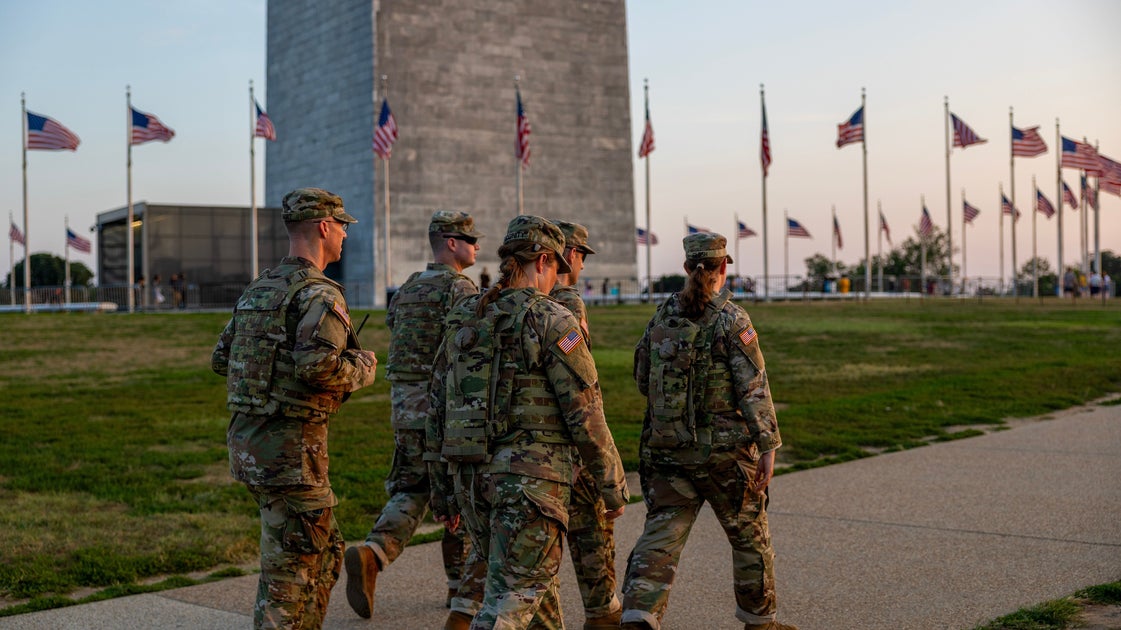
Three states have decided to send National Guard troops to Washington, D.C. as part of the Trump administration's efforts to address crime and homelessness in the city. West Virginia is deploying 300 to 400 Guard troops, South Carolina is sending 200, and Ohio will be sending 150 in the near future. These deployments come after President Trump's executive order to federalize local police forces and activate around 800 District of Columbia National Guard members.
The addition of outside troops to the existing Guard deployment and federal law enforcement officers gives President Trump tighter control over the city. This move is seen as a power play by the president to address crime and homelessness, despite city officials pointing out that violent crime rates are lower than during Trump's first term in office. Protests against Trump's intervention took place in Dupont Circle, with demonstrators expressing concerns about a "fascist takeover of D.C." and opposing military occupation.
Organizers of the protests hoped to generate enough backlash against Trump's actions to force the administration to reconsider its crime and immigration agenda. Concerns about Trump's overreach and the use of crime as a pretext to exert control over Washington fueled the protests. Residents and protesters expressed discomfort and worry about the presence of unmarked officers detaining people in the city.
Governors of West Virginia, South Carolina, and Ohio announced the deployment of their National Guard troops to support Trump's efforts in Washington. West Virginia Governor Patrick Morrisey stated that the state stands with President Trump in restoring pride and beauty to the nation's capital. The activation of West Virginia's National Guard indicates the need for additional manpower in the city.
Federal agents have been deployed in various neighborhoods in Washington, eliciting mixed reactions from residents and leaders. City officials, while required to cooperate with Trump's order, have expressed concerns about the extent of federal intervention. The administration recently reversed an order appointing the head of the Drug Enforcement Administration as an emergency police commissioner after legal challenges.
President Trump declared an emergency in Washington due to the city government's failure to maintain public order, citing the need for federal intervention to address broader national interests. Mayor Muriel Bowser emphasized the importance of unity among Washington residents in the face of these challenges, highlighting the fight for American democracy even in the absence of full access to it.
In conclusion, the deployment of National Guard troops from multiple states to Washington, D.C. reflects the Trump administration's efforts to address crime and homelessness in the city. The protests against federal intervention and concerns about overreach underscore the tensions surrounding the presence of outside forces in the nation's capital. City officials and residents navigate the complexities of cooperating with federal orders while upholding local governance and democratic values.