Erin Strengthens to Category 4 Hurricane in Caribbean: Impacts and Preparations for Atlantic Coast
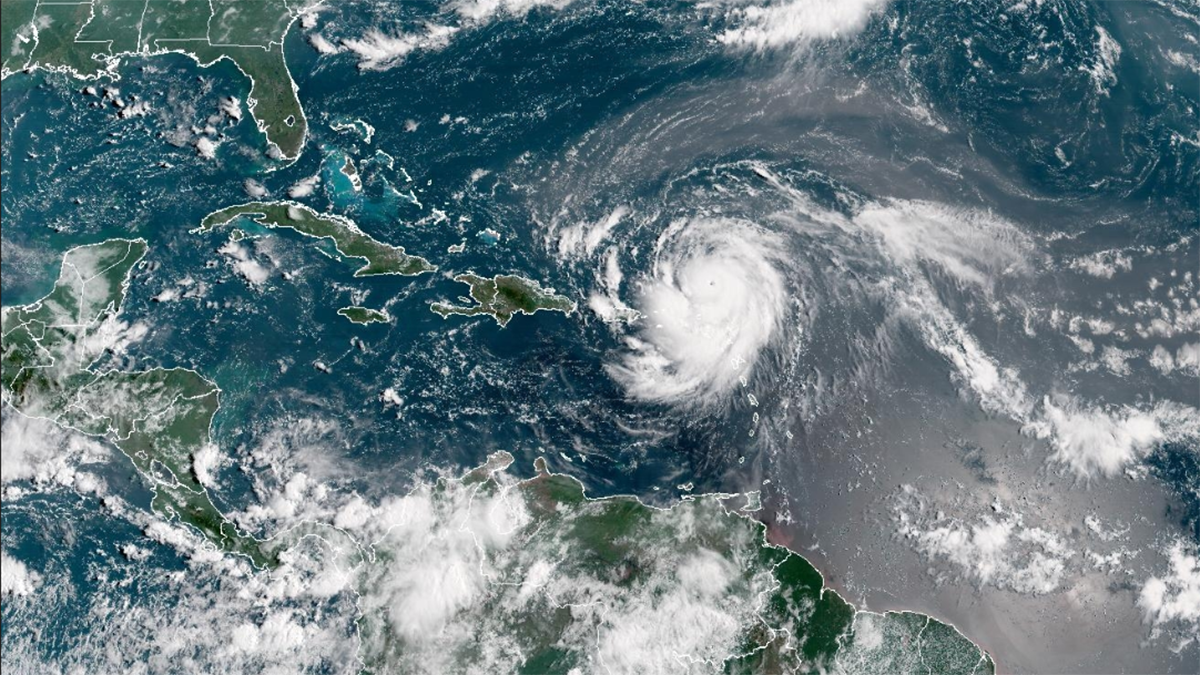
Erin has developed into a strong Category 4 hurricane in the Caribbean and is continuing to gain strength, according to meteorologists. The storm is currently located approximately 150 miles northeast of Anguilla, with sustained winds of 145 mph and a west-northwest movement at 20 mph. While it is not expected to make landfall, nearby islands are experiencing strong winds that could lead to flooding, landslides, and mudslides. The National Hurricane Center warns of heavy rainfall in the northern Leeward Islands, the Virgin Islands, and Puerto Rico due to Erin's outer bands. The storm is anticipated to expand in size in the upcoming days, causing rough ocean conditions in the western Atlantic.
Experts predict that Erin will eventually change course to the northeast, potentially passing between the United States and Bermuda. Although the storm is projected to steer clear of the U.S., Bermuda might face stronger impacts on its eastern side. Coastal areas like North Carolina's Outer Banks, Long Island in New York, and Cape Cod in Massachusetts are at a higher risk of experiencing severe tropical storm or hurricane conditions compared to other regions along the Atlantic coast. Erin marks the fifth named storm of the Atlantic hurricane season, the first to reach hurricane status this year.
The Atlantic hurricane season, which spans from June 1 to November 30, is expected to be particularly active this year. Forecasts predict between six to ten hurricanes, with three to five potentially becoming major hurricanes with winds exceeding 110 mph. In preparation for potential impacts, the U.S. government has dispatched over 200 personnel from FEMA and other agencies to Puerto Rico. A flood watch has been issued for the entire U.S. territory, prompting the inspection of 367 shelters that could be opened if necessary. The U.S. Coast Guard has closed six seaports in Puerto Rico and two in the U.S. Virgin Islands to unauthorized vessels.
Authorities in the Bahamas have also taken precautions by readying public shelters and advising residents to monitor the hurricane's progress. Aarone Sargent, managing director of the Bahamas' disaster risk management authority, emphasized the unpredictable nature of these storms and the importance of staying informed. As Erin continues to intensify and alter its course, vigilance and preparedness remain crucial for all potentially affected regions.