Enhanced Scrutiny of Good Moral Character for U.S. Citizenship Applications
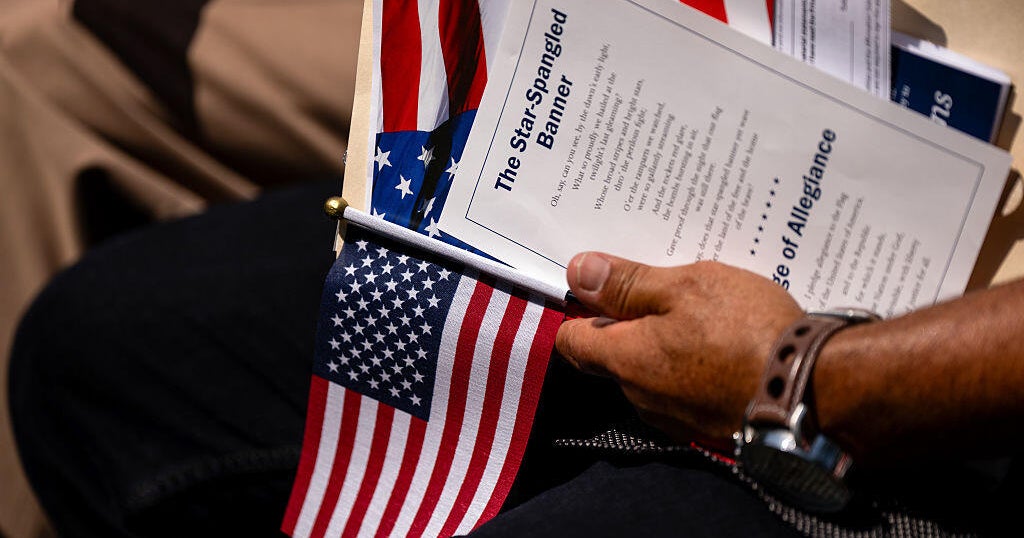
The current administration is implementing stricter scrutiny of applications from legal immigrants seeking American citizenship, aiming to tighten access to U.S. immigration benefits. U.S. Citizenship and Immigration Services (USCIS) has instructed officers to consider additional factors when assessing the "good moral character" of immigrants applying for citizenship. This assessment has been a longstanding requirement for naturalized American citizenship, along with passing English and civics tests.
The new policy expands the criteria for determining "good moral character," emphasizing a holistic assessment of an applicant's behavior, adherence to societal norms, and positive contributions. USCIS now places greater emphasis on applicants' positive attributes and contributions, such as community involvement, family caregiving, educational attainment, stable employment, time spent in the U.S., and tax compliance. The directive also calls for increased scrutiny of factors that may indicate a lack of good moral character, beyond criminal offenses outlined in U.S. immigration law.
Furthermore, the policy instructs officers to consider factors that demonstrate rehabilitation for applicants who have engaged in wrongdoing, such as complying with probation, paying overdue taxes or child support, and receiving community support. The goal of the directive, according to USCIS, is to ensure that U.S. citizenship is granted to individuals who not only embrace American culture, history, and language but also exhibit good moral character.
Critics, including former USCIS official Doug Rand, suggest that the policy may deter legal immigrants from applying for citizenship and could lead to more denials based on minor infractions like traffic violations. While the Trump administration has focused on cracking down on illegal immigration, it has also taken steps to restrict legal immigration, including implementing policies like the one outlined by USCIS.
In conclusion, the new USCIS policy on assessing "good moral character" for citizenship applications reflects the administration's efforts to uphold the integrity of the U.S. immigration system. By expanding the criteria for evaluating applicants and emphasizing positive contributions and rehabilitation, USCIS aims to ensure that U.S. citizenship is granted to individuals who embody the values of American society.