Understanding Naegleria Fowleri: Risks, Symptoms, and Prevention
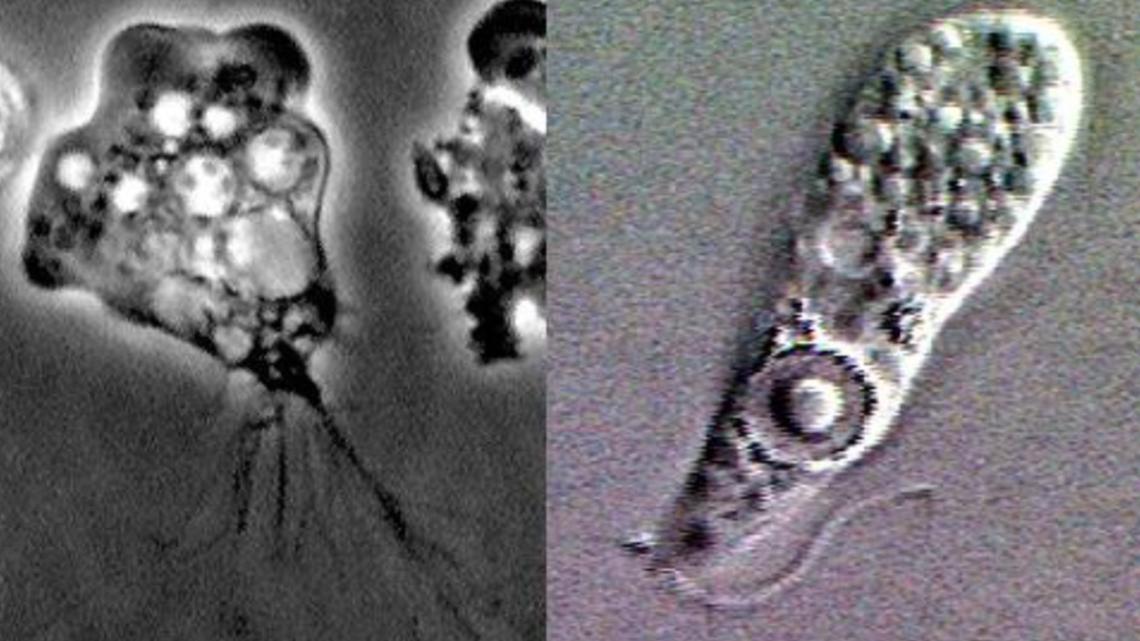
A Missouri resident is currently in intensive care after contracting a rare and deadly infection known as Naegleria fowleri, or a brain-eating amoeba, from swimming in the Lake of the Ozarks. The Missouri Department of Health and Senior Services confirmed the infection, which can lead to a fatal brain infection called primary amebic meningoencephalitis (PAM). Symptoms of the infection include fever, headache, and stiff neck, and can progress rapidly, often resulting in death within five days of symptom onset.
The Centers for Disease Control reports that Naegleria fowleri infections are rare but can be fatal, with only 167 reported cases in the United States between 1962 and 2024. The amoeba is naturally present in warm freshwater, particularly during the summer months, and infections are typically associated with activities like swimming in warm bodies of water. Health officials advise anyone experiencing symptoms after swimming in warm freshwater to seek immediate medical attention.
Dr. Farrin Manian, the chairman of the Department of Medicine at Mercy, highlighted the challenges in treating Naegleria fowleri infections, emphasizing the importance of early detection and medical intervention. While the source of the recent infection in Missouri is still under investigation, preliminary information suggests that the patient may have been exposed to the amoeba while water skiing at the Lake of the Ozarks. Health officials caution that Naegleria fowleri may be present in warm freshwater across the United States, but infections remain rare.
Recent research indicates that warming temperatures and increased flooding, attributed to human-induced climate change, may contribute to a rise in Naegleria fowleri infections. The amoeba thrives in temperatures between 80 and 115 degrees Fahrenheit, which are becoming more common in lakes and rivers due to climate change. Stronger storms and flooding events are also increasing the amount of organic matter in waterways, creating favorable conditions for Naegleria fowleri populations to grow.
In conclusion, the recent case of Naegleria fowleri infection in Missouri serves as a reminder of the potential risks associated with swimming in warm freshwater. Health officials urge individuals to be vigilant about symptoms and seek prompt medical attention if they experience fever, headache, or stiff neck after swimming in warm bodies of water. As climate change continues to impact water temperatures and environmental conditions, it is important to stay informed about potential health risks associated with recreational water activities.