Senator Adam Schiff Accused of Authorizing Classified Leaks: Legal Implications and Potential Investigations
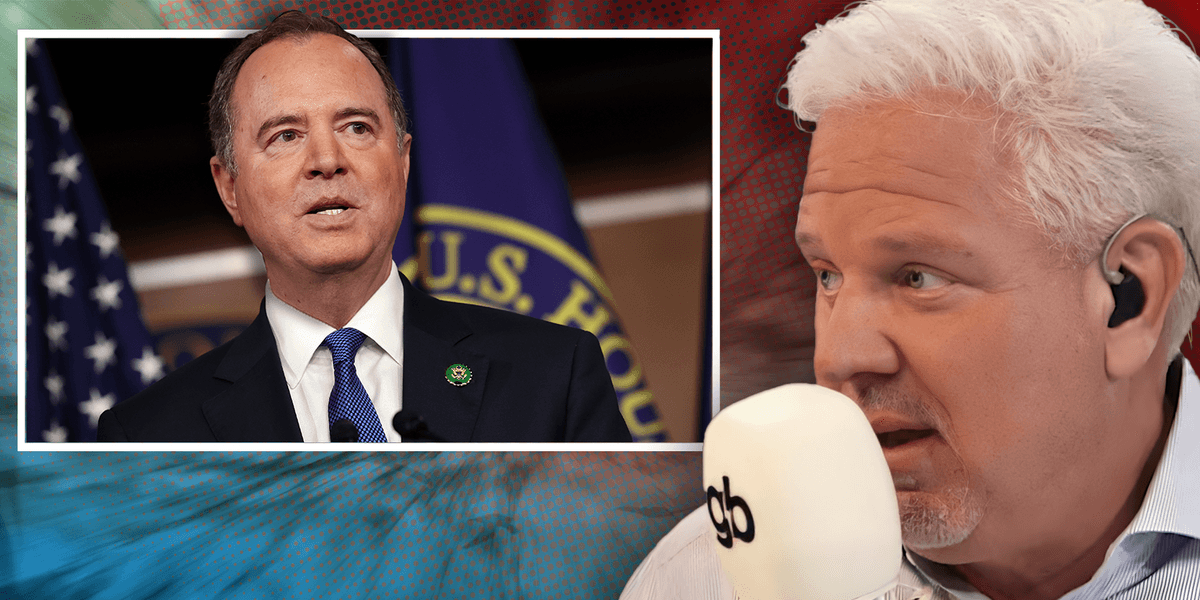
Declassified FBI files and whistleblower testimony have surfaced, alleging that Senator Adam Schiff authorized leaks of classified information in 2017 to undermine President Donald Trump. Legal experts and former federal prosecutors suggest that these claims warrant further investigation. The whistleblower, a former Democratic staffer on the House Permanent Select Committee on Intelligence, revealed that leaks began after Trump's election victory, with the intent to damage the administration. Schiff allegedly planned to leak derogatory information about Trump to indict him, but the whistleblower refused to participate, calling the plan unethical and treasonous.
The whistleblower's account, if accurate, raises concerns about national security breaches and potential felony charges against Schiff. The FBI opened a classified media-leak investigation into unauthorized disclosures in 2017, but the Biden DOJ did not pursue charges, citing constitutional protections. However, the whistleblower believed that these protections did not apply to Schiff's actions. The allegations suggest a premeditated effort to release classified information to harm political opponents, which could result in multiple felony counts and a lengthy prison sentence.
Former U.S. Attorney Brett Tolman emphasized that the speech or debate clause does not excuse criminally leaking classified information. Unauthorized disclosures are considered crimes, and leaking such information can lead to severe penalties, including fines and imprisonment. Tolman highlighted the seriousness of leaking classified information and criticized the FBI's decision not to pursue the case against Schiff. The allegations, if proven, could be part of a conspiracy to undermine the president and interfere with official proceedings, potentially carrying significant penalties.
Despite a limited pardon granted by former President Joe Biden to Schiff, it only covers matters related to his role on the Jan. 6 select committee, not the alleged classified leaks from 2017–2018 or a separate mortgage fraud investigation. Prosecutions for leaking classified intelligence are rare, but successful convictions have occurred in the past. The case of James Wolfe, who pleaded guilty to lying to the FBI about leaking classified information, serves as an example. With the statute of limitations in question for Schiff's alleged conduct, Trump's DOJ may consider investigating the case further.
Schiff's office dismissed the whistleblower's claims as false and accused the Trump administration of attempting to divert attention from other issues. The allegations against Schiff raise concerns about potential national security breaches and the misuse of classified information for political purposes. If proven true, the conduct could have serious legal implications for Schiff and others involved in the leaks.