Uncovering the Alleged Politicization of the 2017 Intelligence Community Assessment: Insights from Declassified Emails and Documents
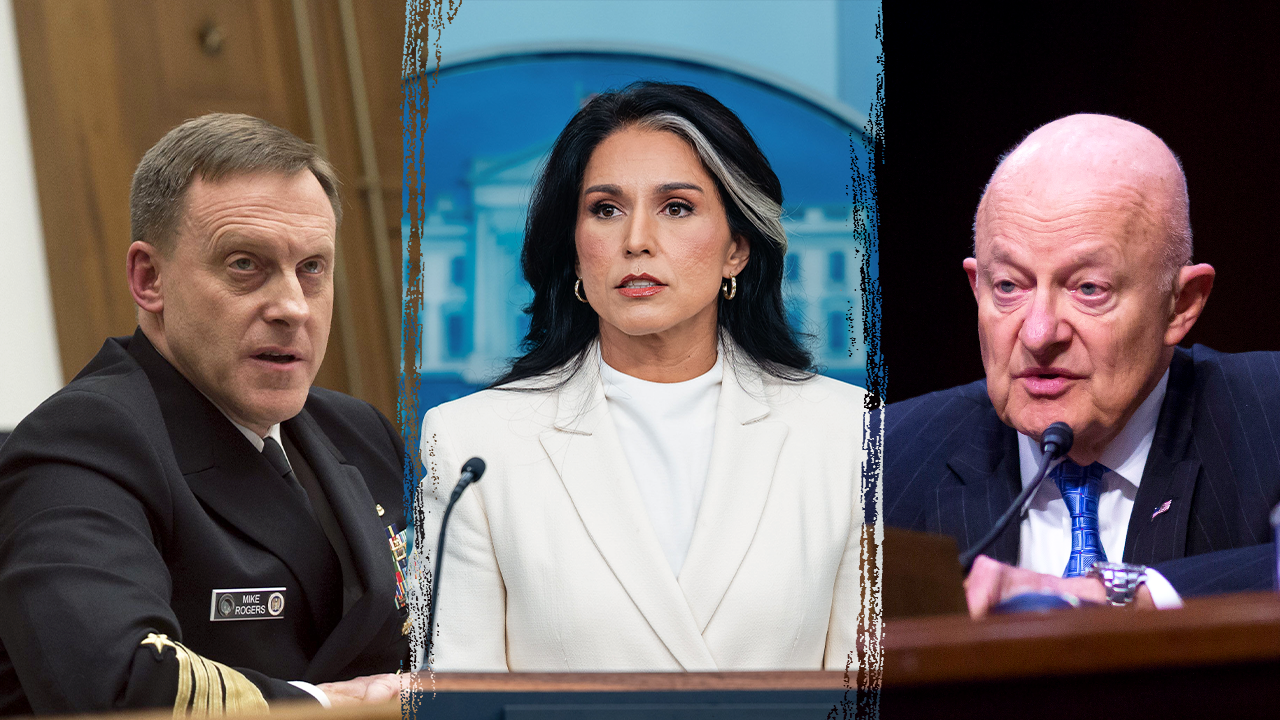
Former Director of National Intelligence James Clapper is alleged to have instructed officials to expedite a politicized 2017 Intelligence Community Assessment, despite concerns raised by then-Director of the National Security Agency Mike Rogers. Rogers expressed doubts about the rushed process and the lack of time to thoroughly review the intelligence linking Russia to the 2016 election interference.
Director of National Intelligence Tulsi Gabbard declassified emails that shed light on the compromised standards and violated protocols in creating the intelligence assessment. Gabbard emphasized that the decision to manufacture intelligence came from the top officials involved in the process.
In exclusive reports, it was revealed that the Obama administration allegedly manipulated intelligence to push the narrative of Russian interference in the 2016 election. The declassified email exchange between Rogers, Clapper, Brennan, and Comey highlighted concerns about the rushed nature of the assessment and the need for a thorough review of the intelligence.
Clapper's response to Rogers' concerns indicated a push for unity among intelligence agencies in supporting the report, even if it meant compromising on normal procedures due to the tight schedule. The email exchange underscored the collaborative effort required to finalize the 2017 Intelligence Community Assessment.
The subsequent release of the assessment attributed the DNC and DCCC hacks to Russia, but it failed to mention previous low confidence assessments by the FBI and NSA regarding this attribution. The intelligence community had initially assessed that Russia was not actively trying to influence the election through cyber means.
Further revelations from declassified documents and emails highlighted the discrepancies in the assessments leading up to the 2016 election. The Obama administration's response to the alleged Russian interference included recommendations for sanctions against Russian military intelligence officials involved in cyber operations.
The declassified meeting records and emails revealed a coordinated effort among top officials to address the perceived Russian interference. The subsequent Intelligence Community Assessment released in January 2017 contradicted earlier assessments and was criticized for allegedly suppressing intelligence that showed Russia's lack of intent and capability to hack the election.
Recent developments have seen criminal investigations launched against former officials like Comey and Brennan for their roles in the alleged conspiracy to tie Trump to Russia in the 2016 election. The Justice Department is now planning to open a grand jury investigation into these allegations, following a criminal referral from Gabbard.
In light of these revelations, the politicization of intelligence assessments and the alleged manipulation of narratives surrounding Russian interference in the 2016 election have raised concerns about the credibility and integrity of the intelligence community's actions.