The Future of Minority Representation: The Supreme Court's Decision on Section 2 of the Voting Rights Act
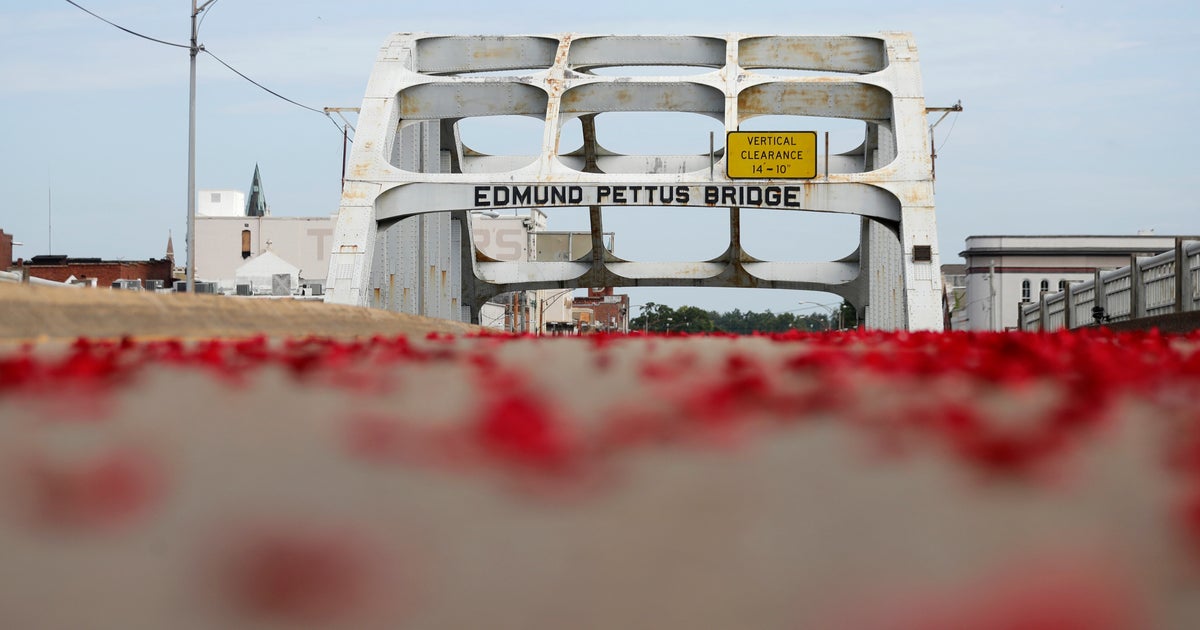
The historic march for voting rights from Selma to Montgomery in 1965 led to the passage of the Voting Rights Act after the violent events on the Edmund Pettus Bridge. However, opponents of the act have been chipping away at its provisions, culminating in the upcoming Supreme Court case of Callais v. Landry, which questions the constitutionality of Section 2 of the Voting Rights Act. This case could have significant implications for minority representation in elections, particularly in the South.
Section 2 of the Voting Rights Act prohibits electoral practices that deny or abridge the right to vote for minority voters. The upcoming Supreme Court decision on the constitutionality of this section could potentially render the act ineffective and jeopardize minority representation, especially Black representation in the South. The case of Louisiana v. Callais, now Callais v. Landry, raises concerns about the use of race in redistricting and the potential impact on future elections.
The Supreme Court's re-hearing of the Louisiana v. Callais case with a focus on the constitutionality of Section 2 has sparked alarm within the voting rights community. Justice Brett Kavanaugh's previous statements on the temporal limits of race-based redistricting and the potential implications for Section 2 have raised concerns about the future of minority representation in elections. If the court rules Section 2 unconstitutional, it could have far-reaching consequences for minority voters across the country.
The potential outcome of the Supreme Court's decision on the constitutionality of Section 2 remains uncertain, but the implications could be significant for minority representation in elections. The court's re-hearing of the Louisiana v. Callais case with a focus on this issue has raised concerns about the future of the Voting Rights Act and its impact on minority voters. It is a critical moment that could shape the landscape of elections for years to come.