State Attorney Defends Officer's Actions in Controversial Traffic Stop Incident
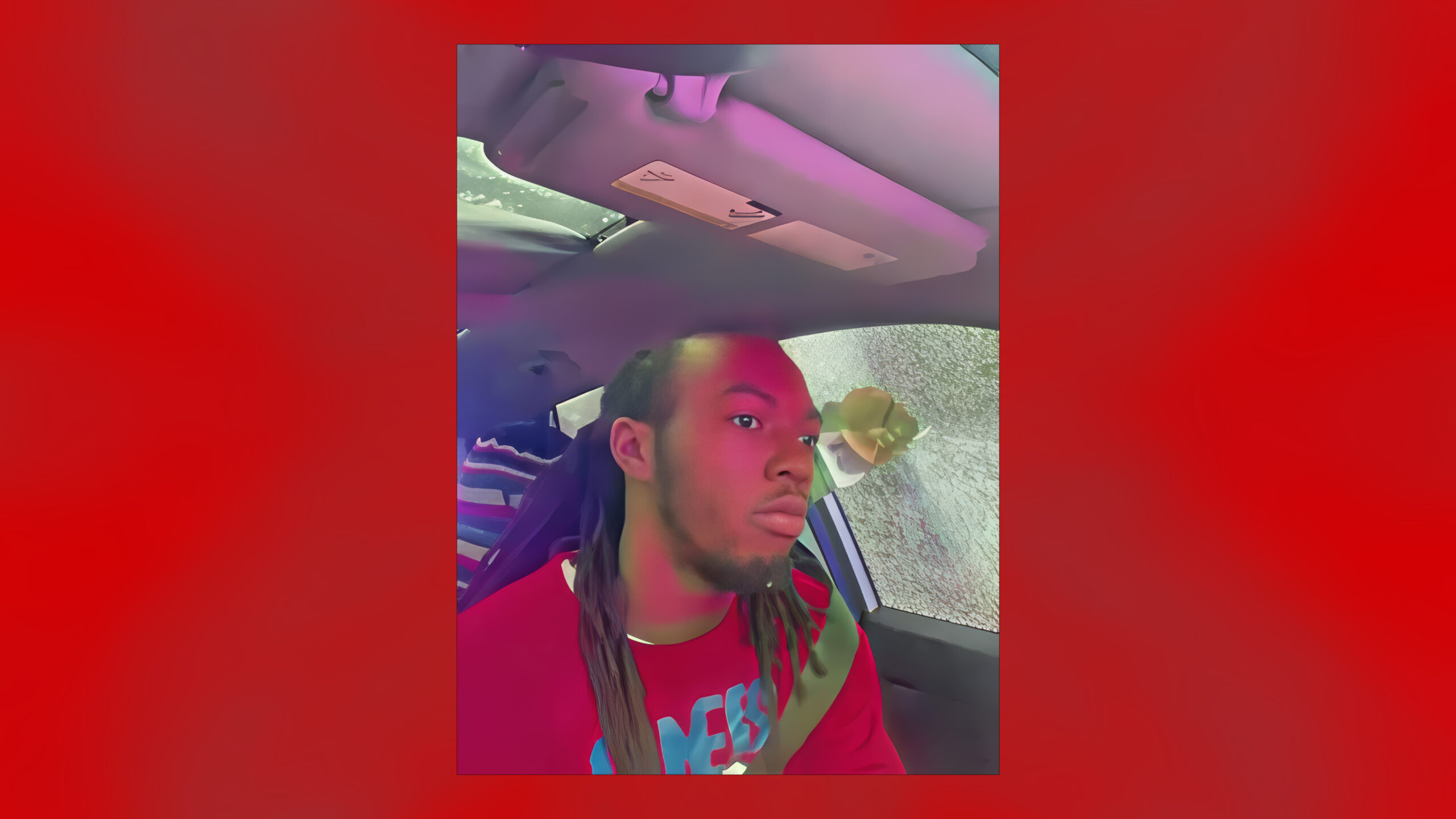
The Jacksonville State Attorney, Melissa Nelson, has determined that a Jacksonville Sheriff's Office (JSO) officer was not at fault in a controversial traffic stop that escalated into a physical altercation. The State Attorney's Office released a memorandum defending the actions of Officer Donald Bowers during the arrest of William McNeil Jr. The memorandum explains that the use of force by Officer Bowers was deemed appropriate and necessary to ensure safety and compliance during the traffic stop.
According to the State Attorney's Office, Officer Bowers' actions, including a strike to McNeil's face, were justified as a tactical maneuver to prompt McNeil to exit the vehicle and show his hands. Despite multiple lawful orders to comply, McNeil resisted, leading to a second strike by the officer. The SAO emphasizes that McNeil's non-compliance and resistance created a dangerous situation for everyone involved.
McNeil has enlisted the help of civil rights attorneys Ben Crump and Harry Daniels to represent him in civil matters related to the incident. The State Attorney's Office asserts that there was probable cause for the traffic stop based on evidence that justified the actions taken by Officer Bowers. The presence of a large knife and drug paraphernalia in McNeil's vehicle further supported the legitimacy of the stop.
In response to the incident, State Attorney Melissa Nelson stressed the importance of public safety during traffic stops. She cautioned against misinformation and advised individuals to comply with law enforcement commands during stops to ensure safety for all parties involved. Nelson emphasized that the legal system provides avenues for challenging police actions, but physical resistance is not one of them. Moving forward, she urged individuals to save legal battles for the courtroom and prioritize compliance with law enforcement directives on the roadside.