McDonald's Japan Pokémon Card Frenzy: Chaos, Wastage, and Scalping
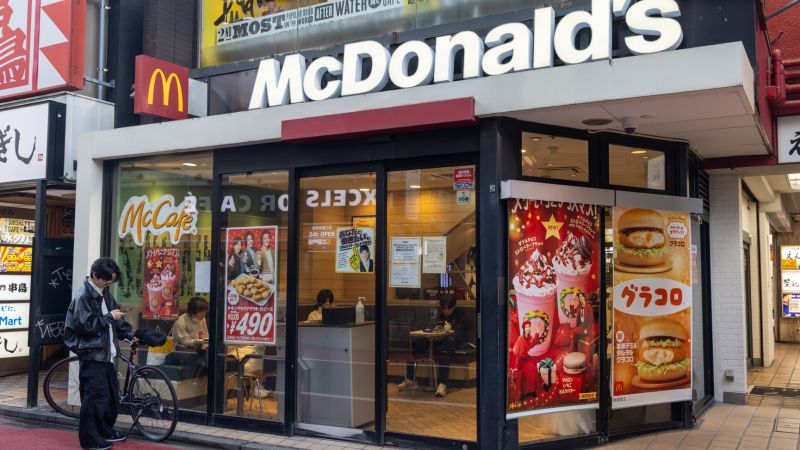
McDonald's restaurants in Japan faced chaos over the weekend as customers rushed to buy limited-edition Pokémon card sets with Happy Meals. The promotion, which lasted only a few hours, led to bulk purchases of meals for the cards, resulting in discarded food and overflowing trash outside the restaurants. Despite the Happy Meal sets costing around $3.50, scalpers are reselling the Pokémon cards for $28 each on platforms like eBay.
Social media images captured the aftermath of the frenzy, showing piles of untouched Happy Meals and wasted food outside McDonald's outlets. The public expressed outrage over the food wastage, prompting McDonald's Japan to issue a statement on its website, acknowledging the unexpected sales volume and the premature end of the card distribution.
Known for its cleanliness, Japan's reputation took a hit as the images of the McDonald's mess circulated online. The fast-food chain emphasized its zero-tolerance policy towards meal purchases for resale and food abandonment. McDonald's Japan vowed to collaborate with third-party websites to prevent scalpers from inflating the prices of the sought-after Pokémon cards.
The incident highlighted a departure from McDonald's commitment to providing enjoyable dining experiences for families and children. The company admitted that its initial response was inadequate and expressed regret over the situation. Pokémon, originating in Japan in 1996, has become a global phenomenon, with collectible cards fetching high prices in the resale market due to their limited availability and mint condition.
In conclusion, the McDonald's Japan Pokémon card promotion, intended to delight customers, turned into a chaotic event marred by food wastage and scalping activities. The aftermath prompted the fast-food chain to reassess its approach to such promotions and take steps to prevent similar incidents in the future.