Controversy Surrounding Obama's Portrait: White House Tradition Disrupted
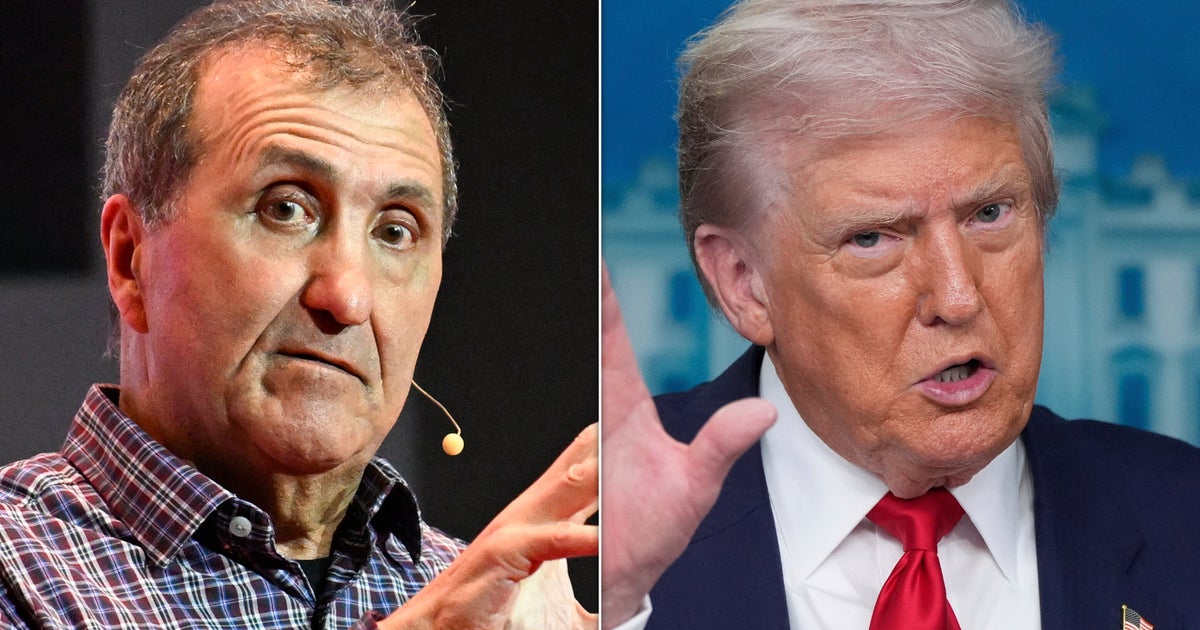
A recent report revealed that President Donald Trump had the portrait of former President Barack Obama moved to a less prominent location in the White House. Ex-White House photographer Pete Souza questioned the motives behind this decision, asking whether it was driven by pettiness or racism. Souza highlighted the traditional protocol of displaying former presidents' portraits in specific areas of the White House for public viewing during tours.
According to Souza, the portraits of recent presidents are typically displayed in prominent locations within the White House, such as the Grand Foyer, Cross Hall, and Grand Staircase. He criticized the current administration for moving Obama's portrait to a less visible area, where it is not easily accessible to visitors or White House staff. California Gov. Gavin Newsom also criticized the decision on social media.
Souza's post raised concerns about the motivations behind relocating Obama's portrait and speculated whether it was due to Trump's personal animosity towards his predecessor. The move to shift Obama's portrait to a less prominent spot is seen as a departure from established norms and traditions in the White House. Souza's post was accompanied by a photo of Obama and Michelle Obama descending the Grand Staircase in 2009, emphasizing the importance of honoring past presidents.
The decision to move Obama's portrait has sparked controversy and raised questions about the current administration's treatment of former presidents. Souza's post sheds light on the significance of preserving historical traditions and respecting the legacies of past leaders. The relocation of Obama's portrait reflects a departure from the norms of displaying presidential portraits in the White House, prompting criticism from Souza and others who value the historical significance of these traditions.