Trump's Inaction on Russia: A Year of Warnings and Consequences
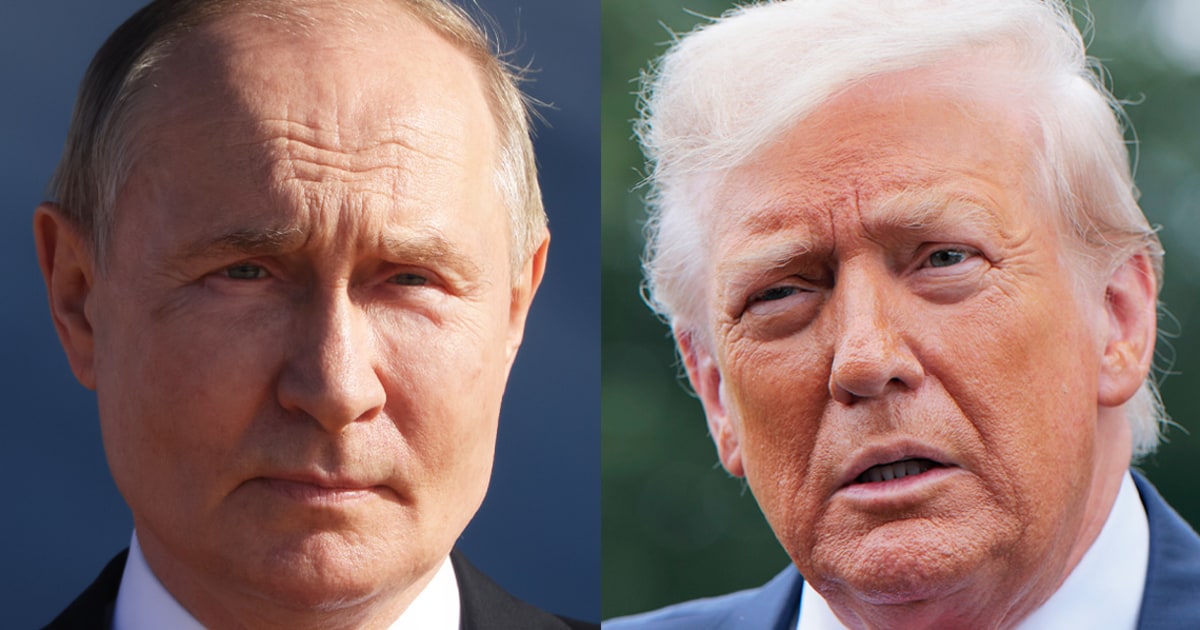
Following his second presidential inaugural, Donald Trump warned Russia of new economic sanctions if it did not end its war in Ukraine promptly. Despite repeated threats, Trump failed to follow through on imposing sanctions. The cycle of warnings and inaction continued throughout the year, with Trump giving Putin ultimatums that were ultimately ignored. In July, Trump set a new deadline for Putin to reach a ceasefire agreement with Ukraine within 10 days, creating a deadline of August 8.
Despite the escalating tensions, Trump extended an invitation for Putin to meet in Alaska, granting Moscow a diplomatic victory. Trump's shifting stance on meeting conditions with Putin and his praise for Putin's desire for peace contradicted the ongoing conflict in Ukraine. Trump even suggested that Ukraine might have to concede some territory to Russia, further complicating the situation.
Trump's administration officials, including Vice President JD Vance and NATO ambassador Matthew Whitaker, hinted at a shift in U.S. support for Ukraine, raising concerns about the country's future. Despite speculation about a significant policy announcement towards Russia, Trump's reluctance to take decisive action has been met with relief in Moscow and criticism from analysts.
The repeated failure to enforce sanctions, the invitation to Putin, and the conflicting messages from the administration have bolstered Putin's position and undermined U.S. credibility in the region. The ongoing conflict in Ukraine and Trump's handling of the situation have raised questions about the effectiveness of U.S. foreign policy under his administration. The lack of decisive action has allowed Putin to capitalize on the situation, further solidifying his position on the global stage.