Title: "Debate Over Funding Cuts for mRNA Vaccine Development Sparks Concerns Among Health Experts and Officials
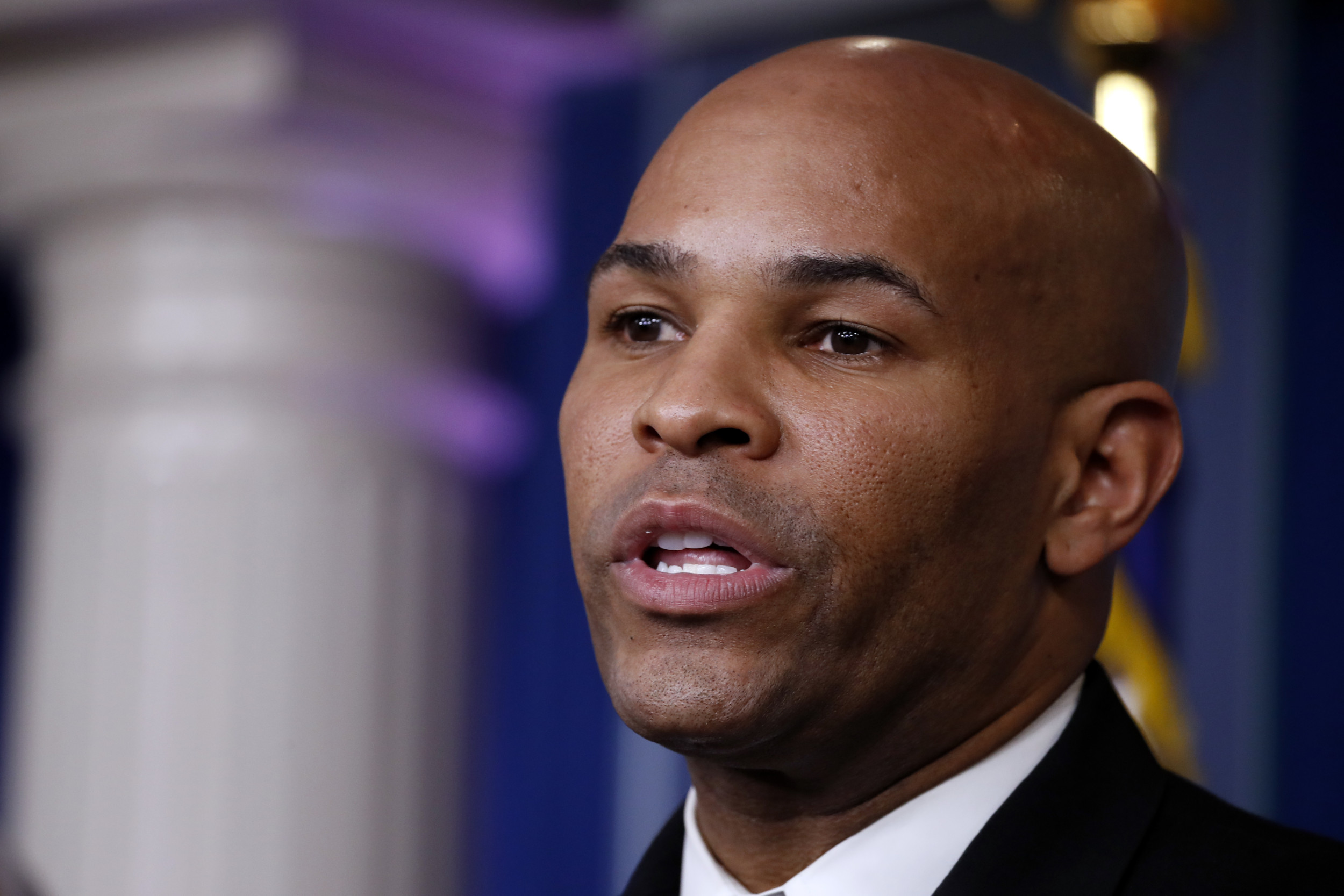
Former Surgeon General Jerome Adams has expressed concern over potential consequences if the United States reduces funding for mRNA vaccine development. Health and Human Services Secretary Robert F. Kennedy Jr. recently announced the termination of 22 Biomedical Advanced Research and Development Authority (BARDA) investments in mRNA vaccine development, citing concerns about their effectiveness against upper respiratory infections like COVID and flu. The decision has raised alarms among experts and public health officials, who argue that mRNA technology has played a crucial role in combating the spread of the coronavirus.
The terminated projects, led by major pharmaceutical companies such as Pfizer and Moderna, were focused on developing vaccines for diseases like the flu, COVID-19, and H5N1 using mRNA technology. Adams emphasized the importance of mRNA technology in accelerating vaccine development and saving lives during the pandemic. He highlighted the versatility of mRNA in developing vaccines and treatments for various diseases, underscoring the potential impact of cutting funding for this technology.
Infectious disease specialists have echoed Adams' concerns, warning that future pandemics may be more challenging to control without the advancements made possible by mRNA vaccines. Experts like Rick Bright and Dr. Thomas A. Russo have criticized Kennedy's decision, labeling it as shortsighted and detrimental to national security. The move to terminate mRNA vaccine investments has sparked debate among lawmakers, public health officials, and industry leaders, who are seeking clarity on alternative research investments and timelines.
Kennedy defended the decision to shift away from mRNA vaccines, citing data that purportedly showed their limited effectiveness against upper respiratory infections. However, critics argue that abandoning mRNA technology could hinder the country's ability to respond effectively to future infectious disease threats. The controversy surrounding the funding cut underscores the importance of sustained investment in innovative vaccine technologies to safeguard public health and national security.
In conclusion, the debate over the termination of mRNA vaccine development investments highlights the critical role of cutting-edge technologies in addressing public health challenges. The decision to reduce funding for mRNA research has sparked concerns among experts and officials, who emphasize the need for continued support for innovative vaccine development. As the world grapples with ongoing health crises, maintaining investments in advanced vaccine technologies remains essential to safeguarding global health and security.