President Trump Takes Control: Federal Oversight of D.C. Police and National Guard Deployment
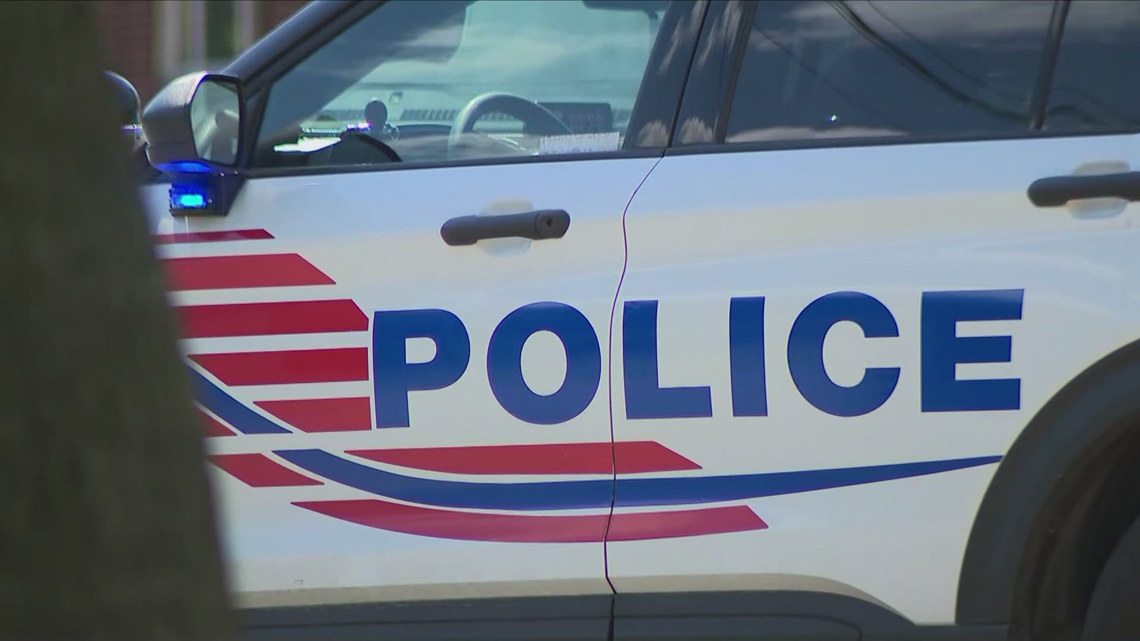
President Donald Trump announced in a news conference his plans to take control of the D.C. police department and deploy the National Guard to address crime in the nation's capital. Trump emphasized the need to restore order and safety in Washington, citing recent violent incidents as reasons for his actions. The president stated that the crackdown on crime would extend beyond D.C. to other parts of the country, aiming to clean up the city quickly.
Using Section 740 of D.C.'s Home Rule Act, Trump appointed Attorney General Pam Bondi to oversee the Metropolitan Police Department. He signed an executive order and presidential memorandum to assert federal control over the police force and deploy the National Guard in Washington. The Home Rule Act, established in the 1970s, granted D.C. some autonomy in governance but still requires congressional approval for local legislation.
The Home Rule Act of 1973 granted D.C. its own government, with elected officials overseeing the city's affairs. While D.C. has the authority to pass its own laws, Congress retains the power to approve or reject them. Unlike states, D.C.'s home rule is based on a simple law rather than a constitution, making it susceptible to repeal by Congress. The potential repeal could result in the abolition of D.C.'s government structure.
In conclusion, President Trump's decision to place the D.C. police department under federal control and deploy the National Guard reflects his commitment to addressing crime and restoring order in the nation's capital. The use of the Home Rule Act to assert federal authority over local law enforcement highlights the complex relationship between D.C.'s autonomy and congressional oversight. The implications of these actions extend beyond D.C. and raise questions about the balance of power between the federal government and local governance.