Federalization of DC Metro Police: Roles, Challenges, and Implications
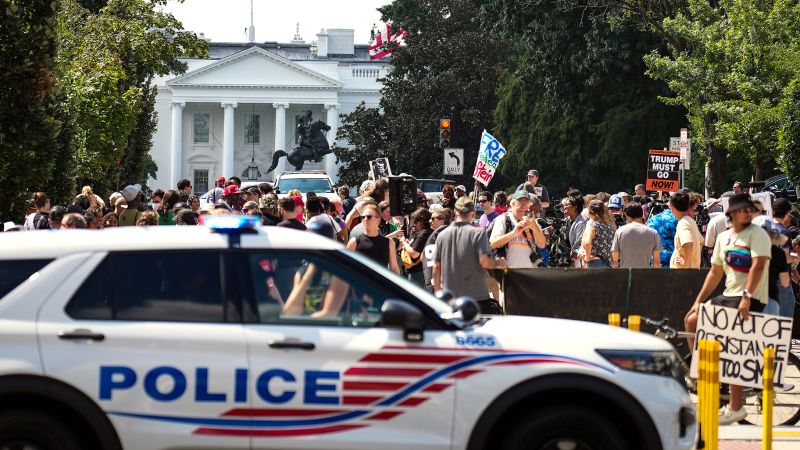
The Metropolitan Police and federal agencies are working to determine their roles and strategy after President Trump declared a crime emergency and federalized DC's police force. Trump's decision caught local officials off guard, leading to confusion about leadership and policing strategies. Mayor Bowser emphasized that the Chief of Police would still run the department, despite the federal takeover.
This unprecedented move by Trump to federalize the DC metro police raises questions about who is in charge and how the department will operate. Bowser acknowledged the city's limited autonomy and expressed concerns about the intrusion on local governance. Chief Smith is working with federal liaisons to create an operational plan following Trump's announcement.
Trump's activation of 800 soldiers from the DC National Guard, with 200 members supporting law enforcement, has raised concerns about the role of federal agents in local policing. FBI agents patrolling with DC police could pose challenges due to differences in training and policies. The deployment of federal agents for routine patrols may divert resources from other critical tasks, such as counterterrorism and cyber threats.
Despite Trump's claims of rising crime in Washington, data shows a decrease in crime rates in recent years. The 30-day limit on Trump's order raises doubts about its long-term impact on crime prevention. Addressing the root causes of crime is essential for sustainable reductions in crime rates. The outcome of this federal intervention and its effectiveness in achieving long-term goals remain uncertain.