Threats Against Afghan Women Working for the United Nations: A Call for Action
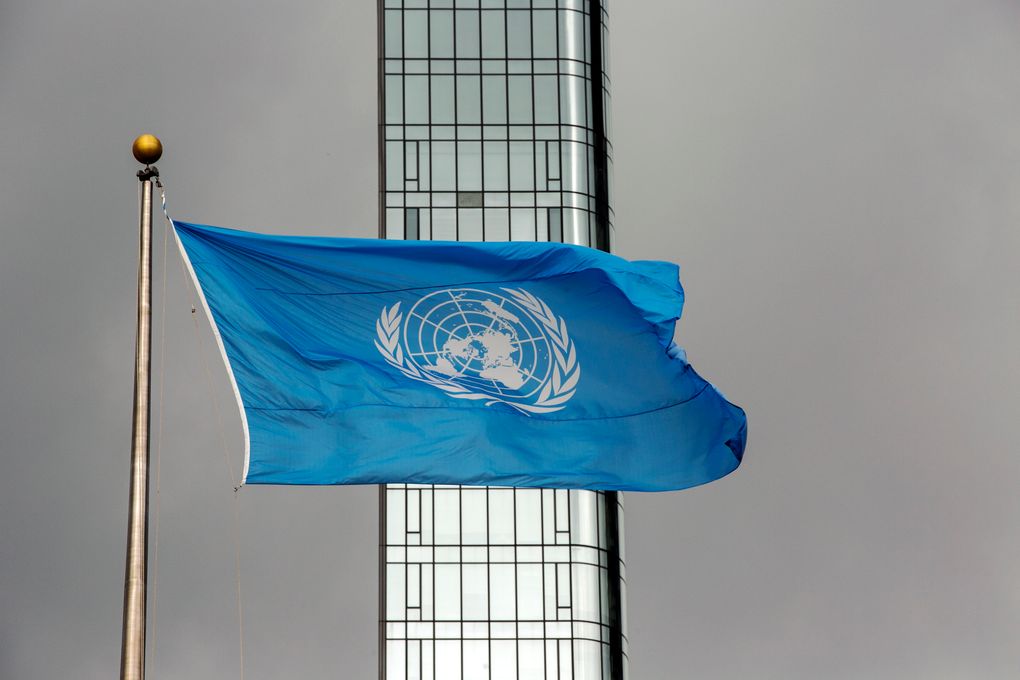
The Taliban are currently investigating explicit death threats made against numerous Afghan women who are employed by the United Nations, as reported recently. The threats were directed at female national staff members in May, prompting the U.N. to take immediate safety measures to protect them. The Taliban have denied any involvement in the threats, and an investigation by the Interior Ministry is ongoing.
The Taliban had previously prohibited Afghan women from working at both local and international non-governmental organizations, including the U.N., and had threatened to shut down any agencies that continued to employ women. This has led to challenges for humanitarian organizations operating in the country, with allegations of interference by the Taliban, which they have refuted. The U.N. report is the first official acknowledgment of death threats against Afghan women working in this sector, shedding light on other restrictions affecting women's personal freedoms and safety.
In various provinces like Herat, Uruzgan, and Ghor, women have faced restrictions on their attire and movements, with authorities enforcing dress codes and limiting their access to public spaces. Women in Herat were required to wear a chador, while those in Uruzgan were arrested for not wearing a burqa. Additionally, women have been prevented from entering public areas, with police in Ghor forcing families to leave recreational sites and restricting access for women and girls in Herat.
In Kandahar, female health care workers were instructed to be accompanied by male guardians with identification cards proving their relationship. The process to obtain these identification cards, known as mahram cards, is reportedly complex and time-consuming, involving verification by local authorities and community members. The U.N. report highlighted these incidents that occurred in May, raising concerns about the increasing restrictions faced by Afghan women in various aspects of their lives.
The situation in Afghanistan continues to be challenging for women, with threats, restrictions, and limitations impacting their daily lives and freedoms. The U.N. report underscores the urgent need to address these issues and ensure the safety and rights of Afghan women are protected. It is crucial for authorities to investigate and address the threats against female U.N. staff and take concrete actions to safeguard their well-being and rights in the country.