Constitutional Showdown: Trump vs. Newsom in National Guard Deployment Dispute
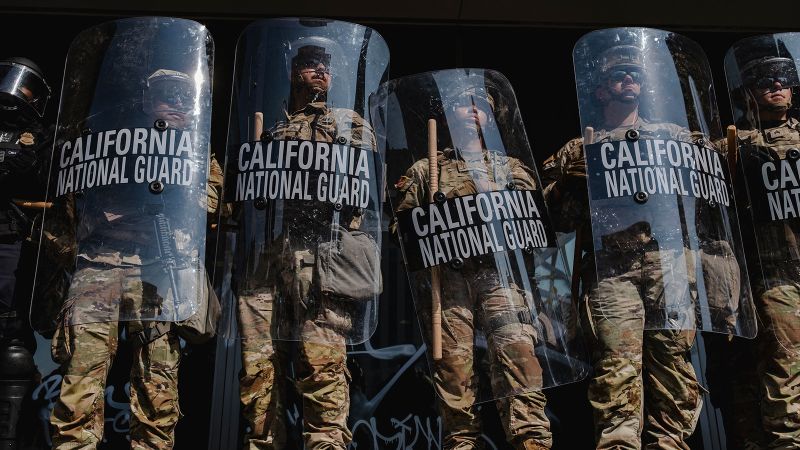
President Donald Trump and California Governor Gavin Newsom are embroiled in a legal battle over the deployment of the National Guard to quell protests in Los Angeles. The president invoked a rarely used law to federalize and deploy 4,000 National Guard members against the objections of Newsom and local officials. Newsom filed a lawsuit against Trump and Defense Secretary Pete Hegseth, alleging violations of the Posse Comitatus Act and the 10th Amendment.
The trial, presided over by Judge Charles R. Breyer, will determine the extent of the president's authority to deploy the military on domestic soil. Newsom's lawyers argue that Trump's actions constitute an "unprecedented power grab" and a violation of the Constitution by overruling local authorities. The legal proceedings focus on the Posse Comitatus Act, which restricts the use of the military for law enforcement purposes, and the 10th Amendment, which delineates the balance of power between the federal government and states.
Trump's lawyers contend that the National Guard's deployment was limited to protecting federal property and personnel and did not involve law enforcement activities. They argue that the Posse Comitatus Act does not provide a basis for a civil lawsuit and that the deployment was justified under Section 12406(3) of the US Code. Newsom's team seeks symbolic relief, including a declaration that the deployment was unauthorized and illegal, as well as injunctive relief to prevent future federalization of the National Guard without meeting legal requirements.
The trial represents a significant clash between federal and state authority, with implications for the president's ability to deploy the military within the country. The outcome will shed light on the limits of presidential power and the protection of states' rights under the Constitution. The legal battle underscores the ongoing tensions between Trump and Newsom, highlighting broader issues of federalism and the separation of powers.