Title: "Federal Security Funding Cuts in Washington, D.C.: Balancing Crime Reduction and Resource Allocation
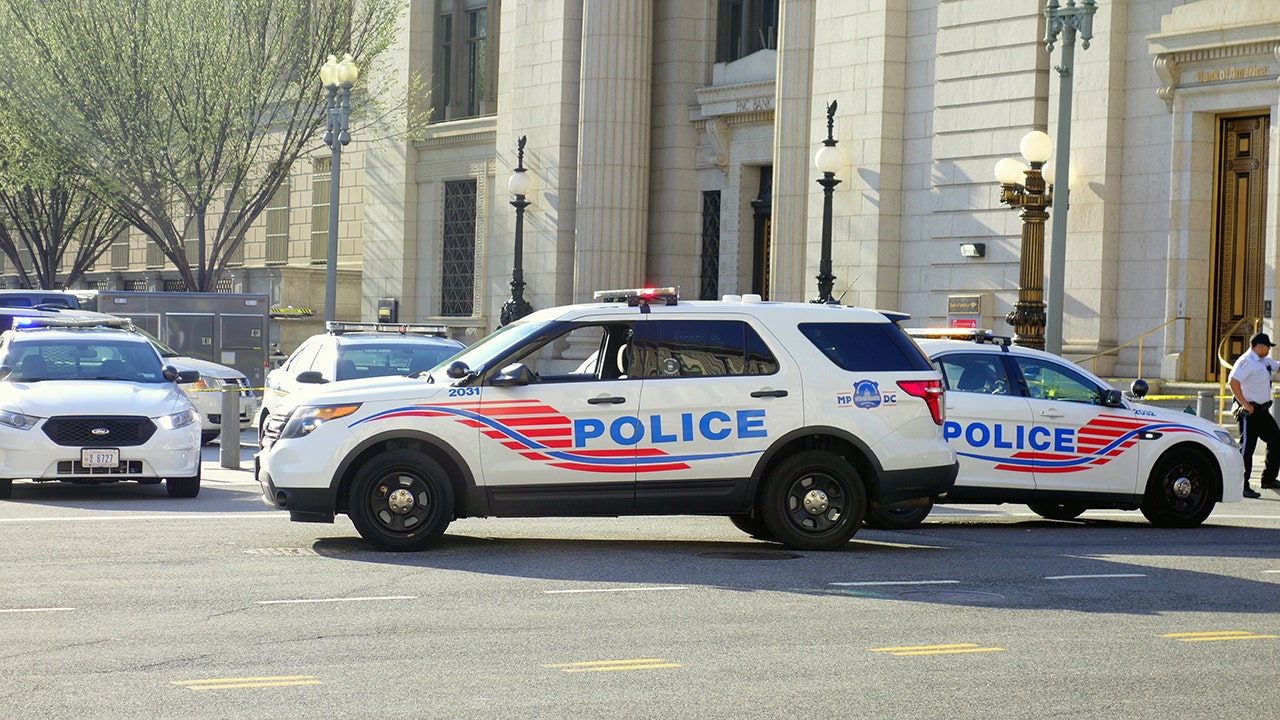
The Trump administration is planning to reduce security funding for Washington, D.C., despite the president's call for increased federal law enforcement presence in response to rising crime rates. The Federal Emergency Management Agency (FEMA) announced a 44% cut in D.C.'s urban security fund, along with reductions in funding for other cities like Chicago, New York City, Los Angeles, San Francisco, and Jersey City.
The Department of Homeland Security cited the evolving threat landscape, emphasizing the shift from large-scale coordinated attacks to smaller, simpler assaults in urban areas. Violent crime in D.C. decreased by 35% in 2024, with significant drops in homicide, sexual abuse, assault with a dangerous weapon, robberies, and burglaries.
The federal funding supports security needs in the National Capital Region, which includes D.C. and surrounding areas in Maryland and Virginia. The total security budget for the region and the specific allocation from FEMA's $553.5 million program remain unclear.
Past uses of federal funds in D.C. included hazmat training, officer hiring, and emergency communications network upgrades. President Trump recently directed federal law enforcement to increase their presence in D.C. following a series of violent crimes, expressing concern over the city's crime levels and the safety of its residents.
Trump emphasized the need for a safe, clean, and beautiful capital city, warning that federal control may be necessary if D.C. fails to address crime effectively. He highlighted the importance of holding criminals accountable and ensuring a secure environment for all residents and visitors.
In conclusion, the Trump administration's decision to reduce security funding for Washington, D.C., while simultaneously calling for increased federal law enforcement presence reflects the ongoing challenges in addressing crime and security concerns in the nation's capital. The balance between funding allocations and law enforcement strategies remains a critical issue in ensuring the safety and well-being of D.C. residents and visitors.