Navigating the Impact of U.S. Tariffs: A Look at the Changing Trade Landscape
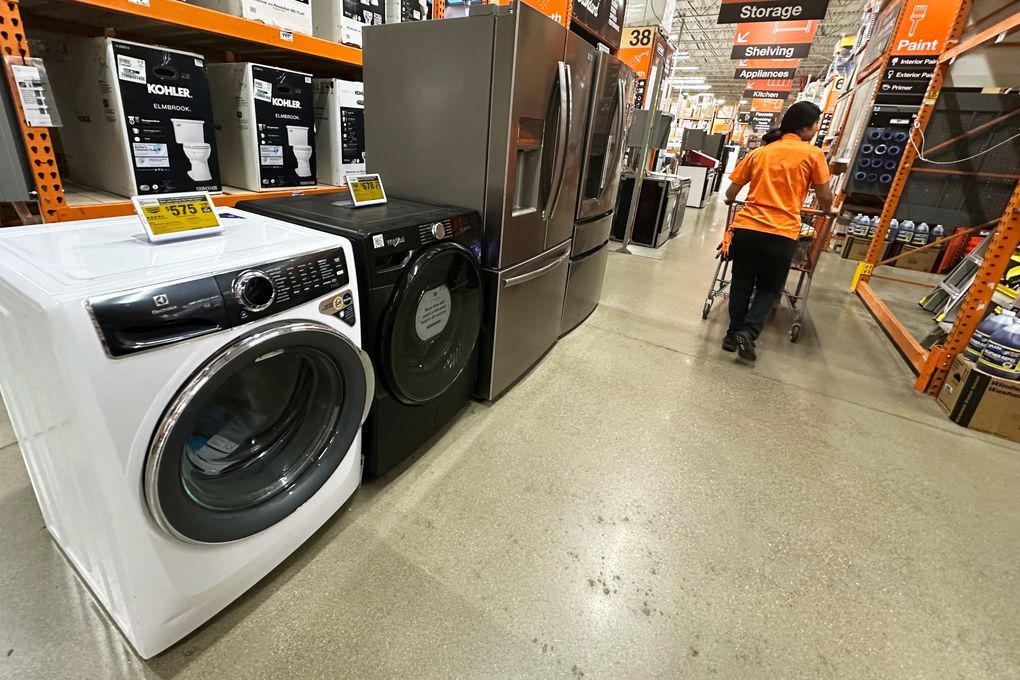
The United States has recently imposed higher tariffs on products from numerous countries, marking a significant shift in the nation's trade policies. These tariffs vary across different countries, ranging from 15% to 50%, with a 55% tariff on Chinese goods set to take effect soon if a trade deal is not reached. Businesses have been navigating these fluctuating tariffs since February, with some absorbing costs while others have started to see price increases in retail goods.
Economists predict that U.S. consumers will ultimately bear the brunt of these tariffs, with prices expected to rise by 1.8% in the short term. This increase could result in a $2,400 loss of income per household. Retailers and manufacturers are likely to face higher costs, which could lead to price hikes for consumers. The impact of these tariffs is expected to be felt most significantly in the clothing, shoe, and food industries.
The recent tariffs imposed by President Trump are part of a broader effort to boost domestic manufacturing and address trade imbalances. These tariffs affect goods from 66 countries, the European Union, Taiwan, and the Falkland Islands. While some countries have reached trade deals with the U.S. to avoid higher tariffs, others are facing increased taxes on their exports. The administration's trade policies have also targeted specific sectors, such as automobiles and steel, with additional tariffs on aluminum, steel, and pharmaceutical drugs.
As prices continue to rise, consumers can expect to pay more for imported goods, particularly clothing, shoes, and food items. The impact of these tariffs is already being felt in various industries, with automakers and toy manufacturers reporting lower profits due to increased costs. The situation remains fluid, with ongoing legal challenges to the administration's use of emergency powers to implement tariffs. The effects of these tariffs on the economy and consumers are likely to evolve as trade negotiations continue.
In conclusion, the recent tariffs imposed by the United States are reshaping the country's trade landscape and impacting businesses and consumers alike. As prices rise and industries adjust to higher costs, the full extent of these tariffs' effects on the economy remains to be seen. With ongoing trade negotiations and legal challenges, the future of U.S. trade policy and its implications for businesses and consumers are uncertain.