Global Impact of Trump's Country-Specific Tariffs: Negotiations and Adjustments in International Trade Relations
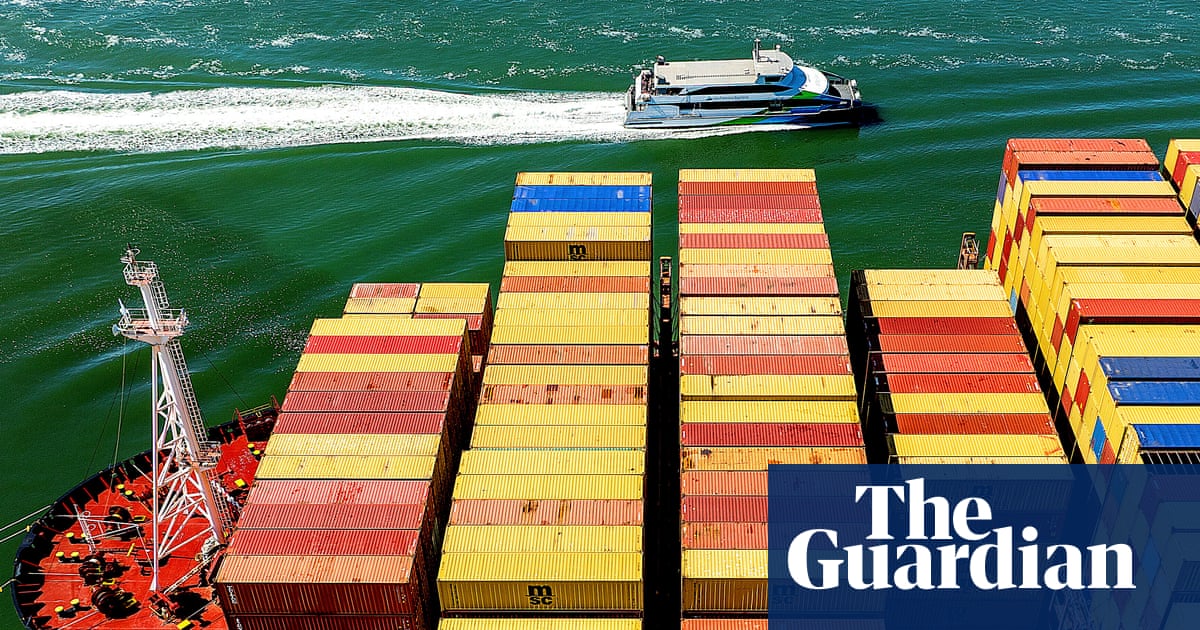
Numerous countries are now subject to increased tariffs on their exports to the US following the implementation of Donald Trump's latest round of country-specific tariffs. These reciprocal levies, announced by the White House just before a previous deadline, have now taken effect. Trump expressed optimism on social media about the financial benefits these tariffs would bring to the US. The rates vary from 41% for Syria to 10% for the UK, in addition to existing tariffs on imported products.
The EU is the only trading partner where the baseline rate will include previous tariffs, resulting in a total rate of 15% for certain products. Governments worldwide are scrambling to negotiate deals to avoid potential job losses and investor deterrence due to the border taxes. Some countries, like Switzerland and India, are facing significant tariff increases, prompting urgent negotiations to mitigate the impact. Trump's initial announcement of country-specific rates on "liberation day" in April has led to ongoing negotiations and adjustments in tariff rates.
Several countries have managed to secure reductions through negotiations or agreements, while others are still in talks to address tariffs not covered by the recent announcement. Canada and Mexico have faced tariff increases, with Mexico receiving a 90-day extension to avoid a rate hike. China is also negotiating tariff rates ahead of an upcoming deadline. Trump has also warned of potential tariffs on semiconductor chips imported from countries not producing or planning to produce in the US.
In conclusion, the implementation of country-specific tariffs by the US has triggered a flurry of negotiations and adjustments among trading partners worldwide. The varying rates and ongoing discussions highlight the complex landscape of international trade relations in the current economic climate.