Examining UnitedHealth Group: Senators Investigate Allegations of Patient Care Compromises
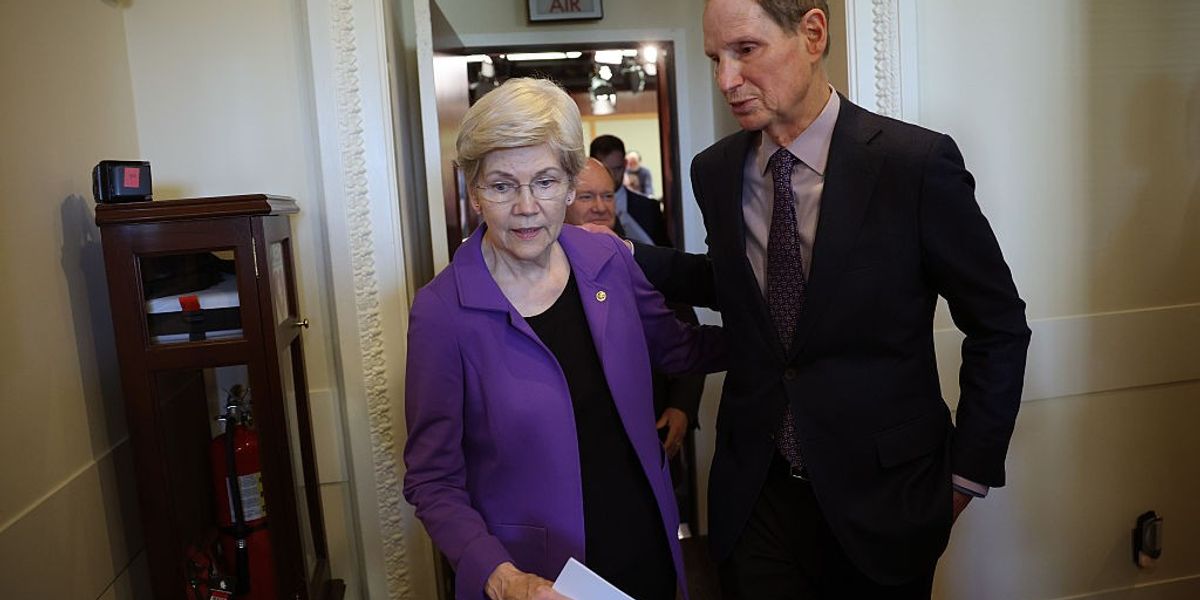
Two Democratic senators have initiated an investigation into UnitedHealth Group, the largest corporation in the U.S. healthcare system. Senators Ron Wyden and Elizabeth Warren expressed concerns about allegations that UnitedHealth Group is pressuring nursing homes to cut care expenses for patients insured by the company. The senators sent a letter to the company's CEO outlining reports that suggest UnitedHealth Group is prioritizing profits over patients' health, including claims of denying necessary care to individuals with chronic illnesses and using an algorithm to deny Medicare Advantage enrollees essential care.
The senators highlighted recent reporting by The Guardian, which alleged that UnitedHealth is implementing a bonus scheme to incentivize nursing homes working with its subsidiary, Optum, to reduce hospital transfers as part of cost-cutting measures. Optum, which is affiliated with approximately 10% of all U.S. physicians, is a key player in UnitedHealth's operations. Wyden and Warren requested detailed information from UnitedHealth regarding its practices at nursing homes, particularly in relation to hospital transfer quotas and the quality of care provided to residents.
Despite UnitedHealth's denial of the allegations in The Guardian's reporting, the senators expressed concerns that the company's practices may compromise resident safety. The Guardian's investigation revealed that UnitedHealth has a significant presence in the American healthcare system, with numerous subsidiaries and a wide reach across various healthcare sectors. The company's program involving Optum medical teams providing care at nursing homes or in collaboration with facility staff was scrutinized, uncovering instances where residents in need of urgent hospital care did not receive timely assistance.
The newspaper's findings indicated that financial incentives offered by UnitedHealth to nursing homes appeared to prioritize cost-cutting over patient well-being. The company allegedly imposed budget restrictions on its medical teams, limiting the number of hospital admissions allowed for nursing home patients. A whistleblower, a former nurse practitioner employed by a UnitedHealth insurance subsidiary, raised concerns about the impact of cost-saving measures on patient care, emphasizing the need for accountability in prioritizing profits over patients' needs.
UnitedHealth's substantial profits, exceeding $34 billion last year, have drawn attention to its business practices. Wendell Potter, a former Cigna executive and president of the Center for Health and Democracy, noted that the company is facing increasing scrutiny from various stakeholders, including government agencies, lawmakers, healthcare professionals, and investors. The mounting pressure on UnitedHealth reflects a growing demand for transparency and accountability in the healthcare industry, particularly concerning patient care and financial motivations.
In conclusion, the investigation into UnitedHealth Group's practices underscores the importance of ensuring patient safety and quality care in the healthcare system. The concerns raised by Senators Wyden and Warren, as well as The Guardian's reporting, highlight the need for greater oversight and accountability in healthcare corporations' operations. As scrutiny intensifies and stakeholders demand transparency, UnitedHealth Group faces a challenging period that may require significant changes to prioritize patient well-being over financial gains.