Rise of Madrassas in Afghanistan: Filling the Educational Gaps
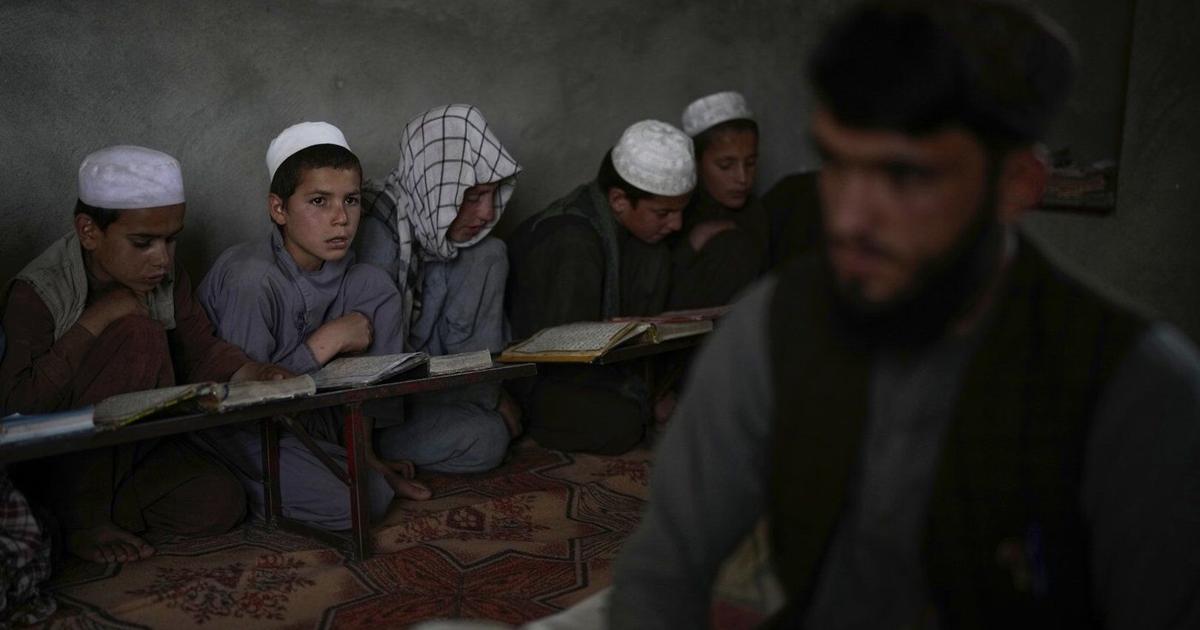
In the streets of Kabul, young boys dressed in white caps and tunics are seen memorizing verses from the Quran in a network of madrassas that are becoming more prevalent in Afghanistan's education landscape. The country's public schools, although still functioning, are struggling due to resource constraints, lack of teachers, and the impact of prolonged conflicts. As a result, families are increasingly opting for madrassas as an alternative, providing a structured education based on Islamic principles. The enrollment in these religious schools is on the rise, with one institution near Kabul experiencing a significant increase from 35 to over 160 students in just five years.
The madrassas play a crucial role in filling the educational gaps left by the struggling public school system in Afghanistan. With limited resources and a shortage of qualified teachers, many families see these religious schools as a viable option for their children's education. The curriculum in madrassas focuses on Islamic teachings, providing a structured and disciplined learning environment for students. As a result, the demand for enrollment in these institutions continues to grow, reflecting the challenges faced by the traditional education system in the country.
Despite the challenges faced by public schools in Afghanistan, madrassas are stepping in to provide an alternative educational pathway for many families. The emphasis on Islamic teachings and structured learning in these religious schools has resonated with parents seeking a quality education for their children. The increase in enrollment in madrassas highlights the shifting educational landscape in the country, where families are turning to alternative institutions to meet their children's educational needs. As the demand for religious education continues to rise, madrassas are playing an increasingly important role in shaping the future of Afghanistan's education system.
In conclusion, the rise of madrassas in Afghanistan reflects the challenges faced by the traditional public school system in the country. With limited resources and teacher shortages, families are increasingly turning to religious schools to provide their children with a structured education rooted in Islamic teachings. The growing enrollment in madrassas underscores the changing educational landscape in Afghanistan, where alternative institutions are filling the gaps left by the struggling public education system. As these religious schools continue to expand and meet the demand for quality education, they are playing a significant role in shaping the future of education in Afghanistan.