Texas Redistricting Battle: Partisan Warfare and the Future of Democracy
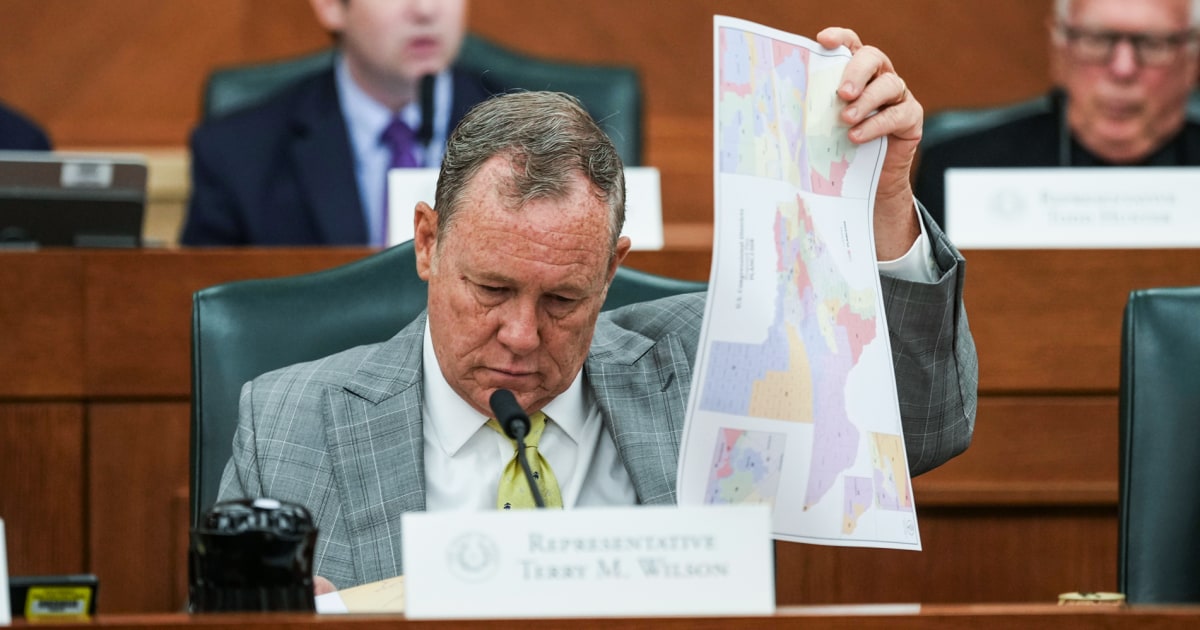
In a departure from the norm, Texas lawmakers are currently embroiled in a contentious battle over redistricting during a special legislative session. The Republican majority is pushing for a plan to manipulate Texas’ congressional map, prompting the Democratic minority to respond by taking drastic measures. This move echoes a similar situation from over two decades ago when Republicans, led by Tom DeLay, sought to redraw district lines mid-decade to increase their control over Texas’ U.S. House delegation.
Traditionally, redistricting occurs every 10 years following the Census to adjust congressional district boundaries. However, the current push for mid-decade redistricting by Texas Republicans aims to solidify their dominance in the state's congressional representation. This strategy reflects a growing trend among Republicans to manipulate electoral outcomes without waiting for voters to have their say.
In response to the Republican efforts, Texas Democrats have resorted to a familiar tactic by leaving the state to deny the legislature a quorum. Seeking refuge in various locations, including Illinois, these Democratic lawmakers are determined to thwart the GOP's redistricting plans. Despite facing threats of arrest and accusations of criminal behavior from Texas Republicans, the Democrats remain steadfast in their opposition.
The unfolding situation in Texas has broader implications beyond the state's borders. Similar partisan redistricting efforts are underway in other Republican-controlled states like Florida and Missouri, signaling a coordinated strategy to secure electoral advantages. In response, Democrats are mobilizing to counter these maneuvers, even considering retaliatory actions in blue states to level the playing field.
The escalating partisan warfare over redistricting reflects a deepening divide in American politics, with both parties engaging in strategic maneuvers to gain electoral advantages. As the battle over redistricting intensifies, the outcome in Texas and other states could have far-reaching consequences for the balance of power in Congress and the future of democracy in the United States.