Legionnaires' Disease Outbreak in Harlem: Updates, Symptoms, and Prevention Tips
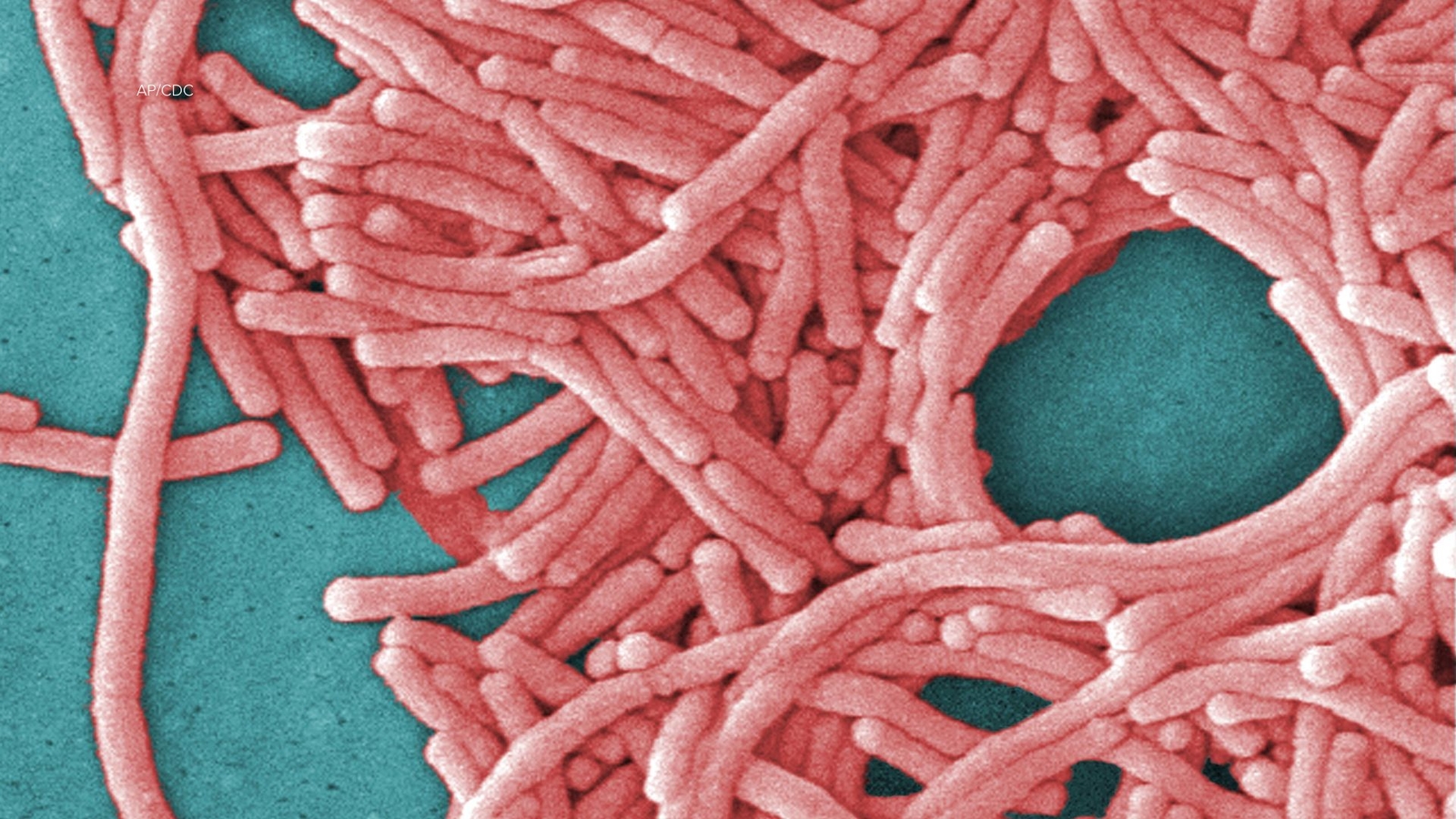
A recent outbreak of Legionnaires' Disease in Harlem, Manhattan has led to nearly 60 confirmed cases and two fatalities, as reported by health officials. The New York City Health Department has been investigating a cluster of Legionnaires' cases in Central Harlem, specifically in ZIP codes 10027, 10030, 10035, 10037, and 10039, as well as neighboring areas. Remediation efforts have been completed for 11 cooling towers that initially tested positive for Legionella pneumophila, the bacteria responsible for causing Legionnaires' disease.
Residents and workers in the affected area are advised to seek medical attention if they experience flu-like symptoms such as cough, fever, chills, muscle aches, or difficulty breathing. Individuals at higher risk, including those over 50, smokers, and individuals with chronic lung disease or weakened immune systems, should be especially vigilant about seeking care if symptoms arise. Legionnaires' disease is a form of pneumonia caused by Legionella bacteria, which thrive in warm water and can be inhaled through water vapor.
Legionnaires' disease is not contagious between individuals and can be effectively treated with antibiotics, particularly when diagnosed early. The disease is commonly associated with plumbing systems that provide ideal conditions for Legionella growth, such as cooling towers, hot tubs, humidifiers, and large air-conditioning systems. It is crucial for those experiencing symptoms to promptly seek medical attention to minimize the risk of complications.
The New York City Health Department continues to monitor the situation closely and urges anyone with relevant information or concerns to report them promptly. Stay informed about the latest updates on the Legionnaires' outbreak in Harlem and take necessary precautions to protect your health and well-being.