The U.S. Department of Justice's Voter Data Requests: Privacy Concerns and Legal Implications
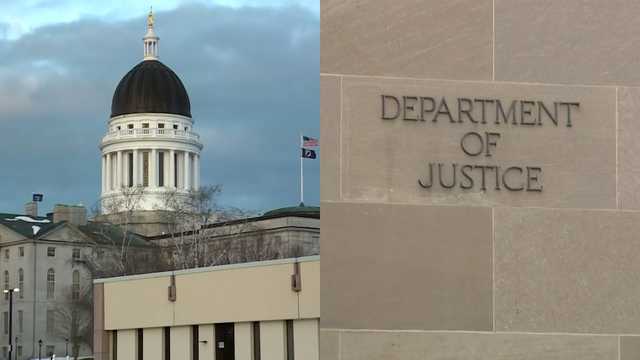
The U.S. Department of Justice has been actively seeking voter data and election information from states, with requests made to at least 15 states over the past three months. The department has reached out to state election administrators to obtain voter registration lists and other election-related records. This initiative has raised concerns among election officials as states have the authority to conduct elections independently, and federal law protects individual data sharing with the government. The Justice Department's current focus on voter fraud and noncitizen voting marks a shift from its traditional role of safeguarding ballot access.
The department's efforts are part of a broader push by the Trump administration to investigate past elections and influence the upcoming 2026 midterms. President Trump has called for a special prosecutor to investigate the 2020 election results and has urged Texas Republicans to redraw congressional maps in favor of the GOP. The Justice Department's recent actions signal a departure from its historical role and have sparked apprehension among election officials regarding the use and protection of voter data.
Several states, including Alaska, Arizona, California, Florida, Illinois, Maine, Maryland, Michigan, Minnesota, Nevada, New Hampshire, New York, Utah, and Wisconsin, have confirmed receiving requests for their statewide voter registration lists from the Justice Department. The department has also contacted election offices in other states to discuss potential information-sharing agreements related to election fraud instances. While some states have provided limited information, others have raised legal and privacy concerns about disclosing sensitive voter data.
The National Association of Secretaries of State has been informed that all states will eventually be contacted by the Justice Department. The organization has requested clarification on the purpose of the requests and how the voter data will be utilized. Some California counties and other states have received letters asking for voter roll records, including details on noncitizen voters and voting records. The Justice Department's outreach has prompted varied responses from state officials, with some expressing reservations about sharing personal voter information.
In response to the Justice Department's requests, some states have refrained from providing sensitive voter data, citing legal obligations and privacy concerns. Minnesota's Secretary of State has emphasized the state's duty to protect voter privacy and has declined to fulfill the federal request for voter registration information. Similarly, Maine's Secretary of State has rejected the administration's request, citing concerns about voter privacy and federal overreach. While the Justice Department's inquiries about information-sharing agreements may be perceived as routine, requests for voter registration data raise privacy and legal issues under the Privacy Act of 1974.
Overall, the Justice Department's recent actions have sparked debate and scrutiny among election officials and legal experts. While information-sharing agreements between states and the federal government are not uncommon, requests for sensitive voter data raise privacy and legal concerns. The evolving role of the Justice Department in election matters under the current administration underscores the importance of safeguarding voter privacy and upholding state authority in conducting elections.