Texas Democrats Take a Stand Against Partisan Redistricting: A Battle for Fair Representation
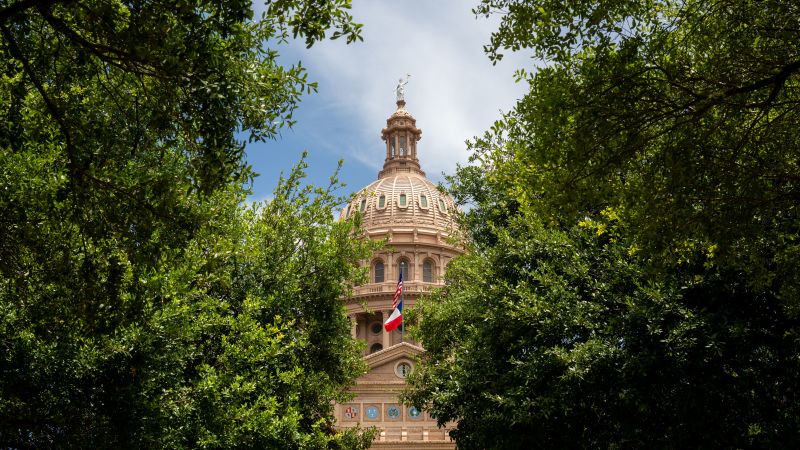
Texas Democrats have taken a stand against the Republican-led effort to redraw the state's congressional map by leaving the state to prevent a quorum in the Texas House. The proposed redistricting could potentially eliminate five Democratic US House seats, giving Republicans an advantage in the 2026 midterm elections. This move is seen as a partisan effort to secure Republican control of the House.
Every ten years, states redraw congressional district boundaries based on new population data from the US census. The mid-decade revision of the map in Texas is considered an unusual step, with Democrats arguing that it is a blatant attempt to favor Republicans. In response to the Democrats' departure, Texas House rules now impose a $500 daily fine on absent members who hinder the House's proceedings.
Texas Republicans defend the redistricting effort, claiming that the current maps are unconstitutional and racially gerrymandered. However, Democrats believe that the proposed changes would suppress the votes of people of color. The situation has intensified as US House Speaker Mike Johnson struggles to navigate negotiations within his narrow majority to advance President Donald Trump's agenda.
In light of the redistricting controversy in Texas, Democrats across the country are considering similar tactics in states like California and New York. Eric Holder, Chairman of the National Democratic Redistricting Committee, has expressed the need for Democrats to adapt their strategies in response to the threat to democracy posed by partisan gerrymandering. Despite the challenges, Democrats remain committed to raising voter awareness and pursuing legal action against the state.
In conclusion, the standoff over redistricting in Texas highlights the ongoing battle between Democrats and Republicans over political boundaries and representation. The outcome of this conflict could have far-reaching implications for the balance of power in the US House and the future of democracy in the country.