Navigating Trade Tensions: Canada's Response to U.S. Tariffs and the Path to Resolution
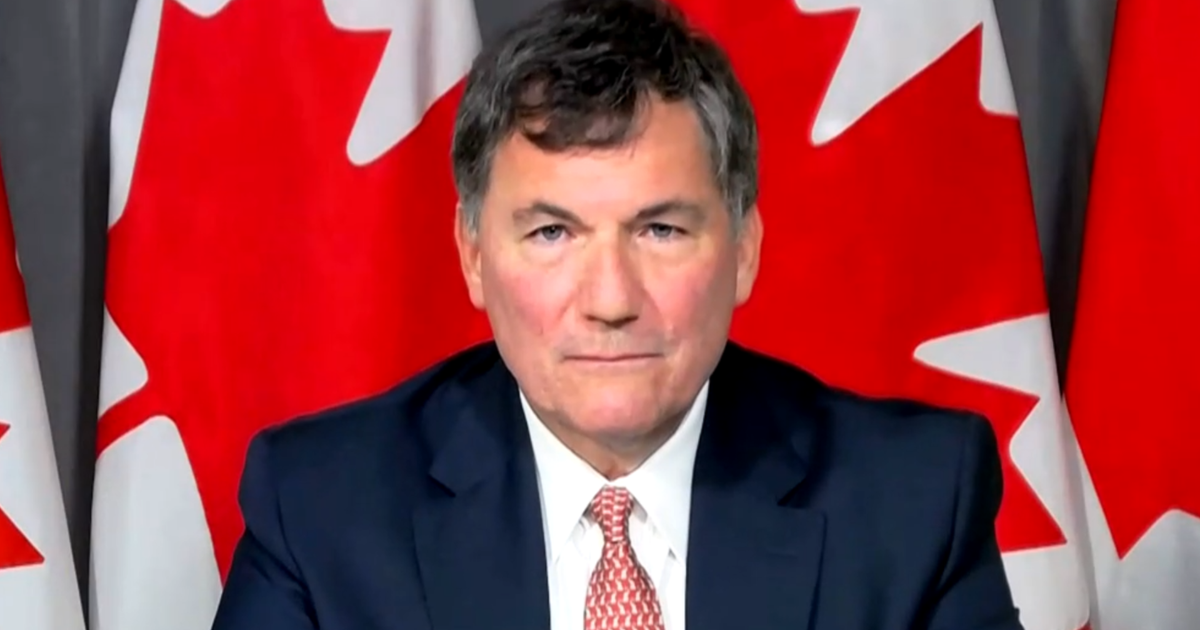
Canada is facing a 35 per cent blanket tariff on exports to the U.S., and Dominic LeBlanc, the minister responsible for Canada-U.S. trade, is hopeful that Prime Minister Mark Carney and U.S. President Donald Trump will engage in discussions to resolve the issue. LeBlanc believes there is common ground between the two countries in building strong economies that can work together. Despite leaving Washington without a deal, LeBlanc is committed to understanding American concerns and finding a solution through continued efforts.
Following a Trump executive order, Canada's tariff rate increased to 35 per cent, with a focus on products not covered by the Canada-U.S.-Mexico Agreement. While expressing disappointment over the tariff hike, LeBlanc emphasized the importance of maintaining a viable steel and aluminum sector in Canada. The U.S. Trade Representative, Jamieson Greer, highlighted Canada's retaliatory measures and the need for the U.S. to uphold the integrity and effectiveness of its actions in response.
The decision to impose a 35 per cent levy on Canadian exports was made under a law allowing emergency economic measures to address national security threats. This tariff is currently facing a legal challenge in a federal appeals court, marking a significant development in the U.S. court system. The ongoing trade tensions between Canada and the U.S. underscore the complexities of the trading relationship and the need for diplomatic efforts to find a resolution.
In conclusion, the escalating trade dispute between Canada and the U.S. highlights the challenges of maintaining a balanced and mutually beneficial trade relationship. As discussions continue between the two countries, there is a shared goal of addressing concerns and finding solutions that support economic growth and cooperation. The outcome of these negotiations will have implications for both nations and the broader North American trade landscape.