Krasheninnikov Volcano Erupts After 600 Years: Unveiling Kamchatka's Seismic Activity
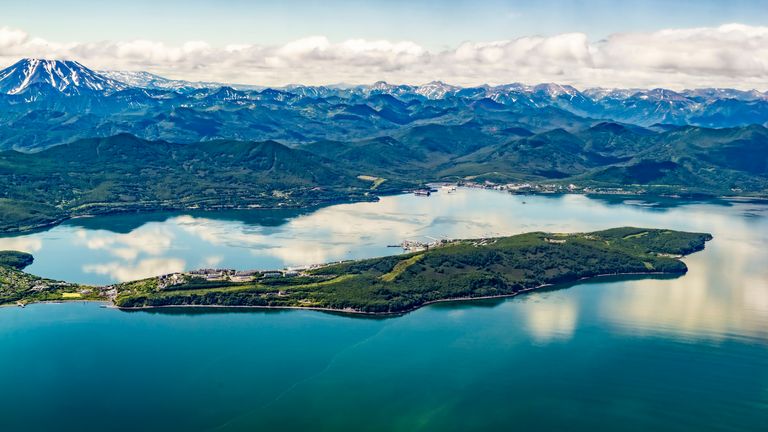
A volcano in Kamchatka has erupted for the first time in 600 years, following a massive earthquake in Russia's far east. The Krasheninnikov Volcano, located in the Kamchatka peninsula, erupted overnight after the 8.8-magnitude earthquake hit the region, triggering tsunami warnings for Japan, parts of the US, and the Philippines. This eruption marks the first confirmed activity of the Krasheninnikov Volcano in six centuries, according to Olga Girina, head of the Kamchatka Volcanic Eruption Response Team.
The last known lava effusion from Krasheninnikov occurred around 1463, and there have been no recorded eruptions since then. The recent earthquake was also followed by an eruption of Klyuchevskoi, the most active volcano in the Kamchatka Peninsula. Klyuchevskoi, one of the tallest volcanoes globally, has experienced multiple eruptions in recent years. Additionally, an earthquake of magnitude 6.7 struck the Kuril Islands on Sunday, as reported by the German Research Center for Geosciences.
The eruption of Krasheninnikov adds to the seismic activity in the region, with the possibility of tsunami waves in three districts of the Kamchatka peninsula following the recent earthquake. The United States Geological Survey measured the earthquake at a magnitude of 7, while the Pacific Tsunami Warning System, which also assessed it at 7.0, did not issue a tsunami warning. The series of geological events in Kamchatka and the surrounding areas highlight the dynamic nature of the region's volcanic and seismic activity.
In conclusion, the recent eruption of the Krasheninnikov Volcano in Kamchatka, following a significant earthquake, underscores the geological activity in the region. The simultaneous seismic events, including the eruption of Klyuchevskoi and the earthquake in the Kuril Islands, emphasize the volatile nature of the Kamchatka Peninsula and its surroundings. Monitoring and understanding these geological phenomena are crucial for ensuring the safety and preparedness of the local communities and regions affected by such events.