Analysis of Trump Administration's Trade Policies and Job Numbers Controversy
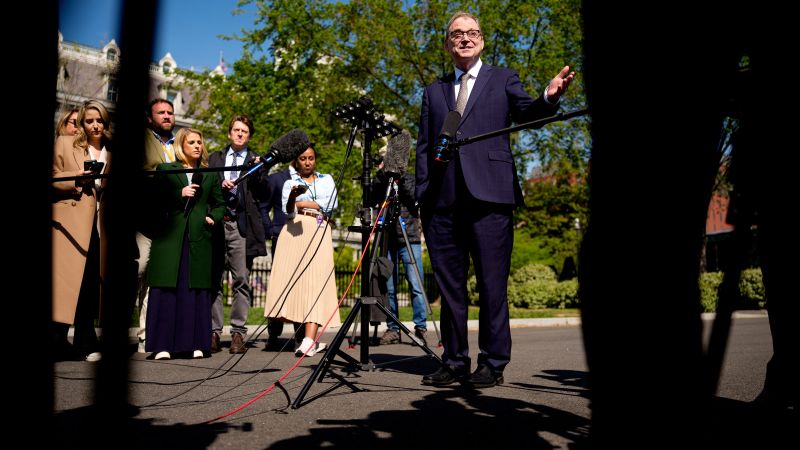
The decision to dismiss Bureau of Labor Statistics Commissioner Erika McEntarfer was defended by National Economic Council Director Kevin Hassett, who stated that President Trump wants his own appointees in key positions. The July jobs report, which showed a lower-than-expected increase of 73,000 jobs, led to Trump accusing the numbers of being rigged to make him and Republicans look bad. Hassett suggested that a fresh perspective at the BLS was needed, citing significant downward revisions in job data as evidence of potential manipulation.
Former BLS Commissioner William Beach expressed confidence in the integrity of future jobs reports despite McEntarfer's firing, urging Trump to tone down his criticism of the bureau. Larry Summers criticized Trump's claims of rigged job numbers as baseless and warned of a possible economic downturn. Hassett acknowledged upcoming tariff changes with trading partners, emphasizing the importance of deals that align with Trump's preferences.
While the Trump administration fell short of its promise of "90 deals in 90 days," Hassett highlighted existing trade frameworks with major partners and impending tariff adjustments. Concerns lingered over the impact of new tariffs on global markets, with Summers cautioning against tariffs as job creators. Despite potential market reactions, Hassett indicated that Trump was unlikely to reverse course on tariffs as finalized deals were in place.
The ongoing trade negotiations between the US and China faced uncertainty, with the possibility of a delayed agreement. The trade dispute between the two economic powerhouses could have significant repercussions on both countries, given their interdependence in various sectors. The Trump administration's stance on tariffs, shifting the burden to companies and other nations, has raised concerns about rising prices for American consumers across different product categories.