Empowering Black and Brown Communities Through Swimming: Addressing Historical Disparities and Promoting Water Safety
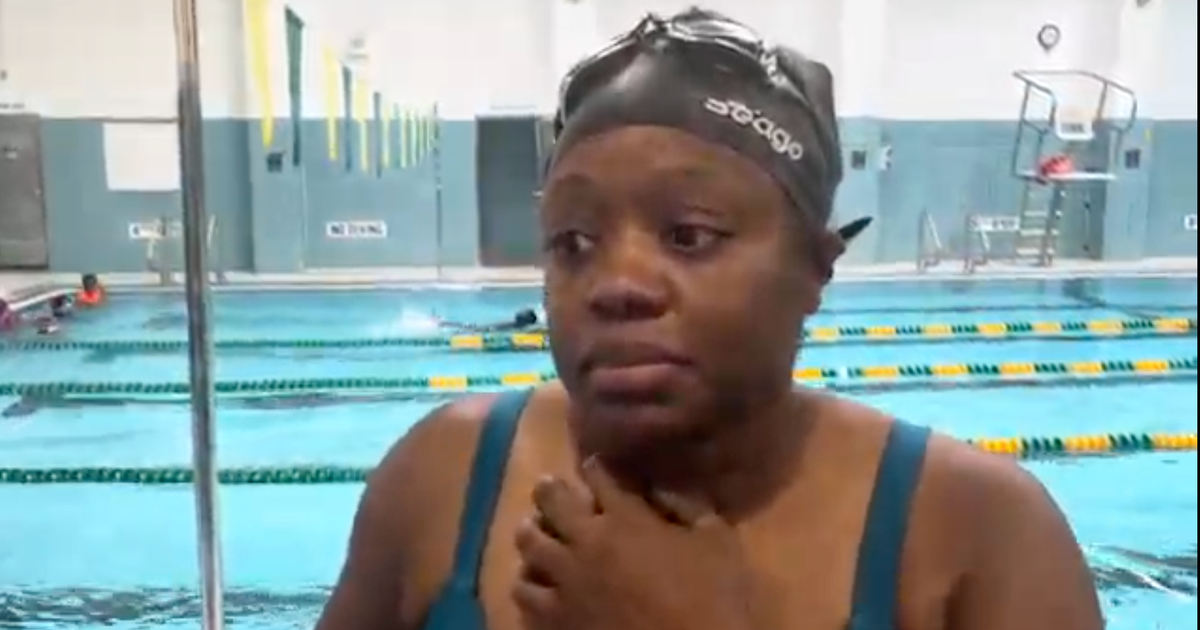
Tameka Bostick, a 42-year-old woman from New York City, decided to learn how to swim after her daughter challenged her to do so before signing her up for lessons. Growing up in housing projects with limited access to pools, Bostick wanted to overcome the stigma that Black people can't swim. She joined a beginner swim class in Westbury, New York, organized by Black People Will Swim, a nonprofit founded by Paulana Lamonier in 2020 to address the lack of Black and Brown swimmers and promote water safety.
The history of segregation and inequity in aquatic spaces has contributed to the disparities in swimming abilities and drowning rates among Black and Brown communities. Racial tensions over pool access date back to the early 1900s, with riots erupting at integrated pools and federal mandates enforcing segregation. Despite legal changes post-1973, research shows that a significant percentage of Black children lack swimming skills, leading to higher drowning rates compared to their White peers.
Dr. Samuel Myers, Jr., a professor at the University of Minnesota, highlighted the correlation between drowning rates and the presence of Black lifeguards, emphasizing the need for policies to reduce drowning incidents. Black People Will Swim aims to make swimming more accessible through scholarships and partnerships with organizations like Outdoor Afro, which has provided thousands of "swimmerships" to Black and Brown communities. Rue Mapp, the founder of Outdoor Afro, views the lack of swimming skills in these communities as a public health crisis and advocates for removing barriers to water access.
In conclusion, initiatives like Black People Will Swim and partnerships with organizations promoting water safety are essential in addressing the historical disparities in swimming abilities and drowning rates among Black and Brown communities. By providing affordable lessons and scholarships, these programs aim to empower individuals to learn how to swim and enjoy the benefits of water activities while promoting water safety and reducing drowning incidents.