Unveiling the Longest Lightning Bolt in History: The 2017 Megaflash
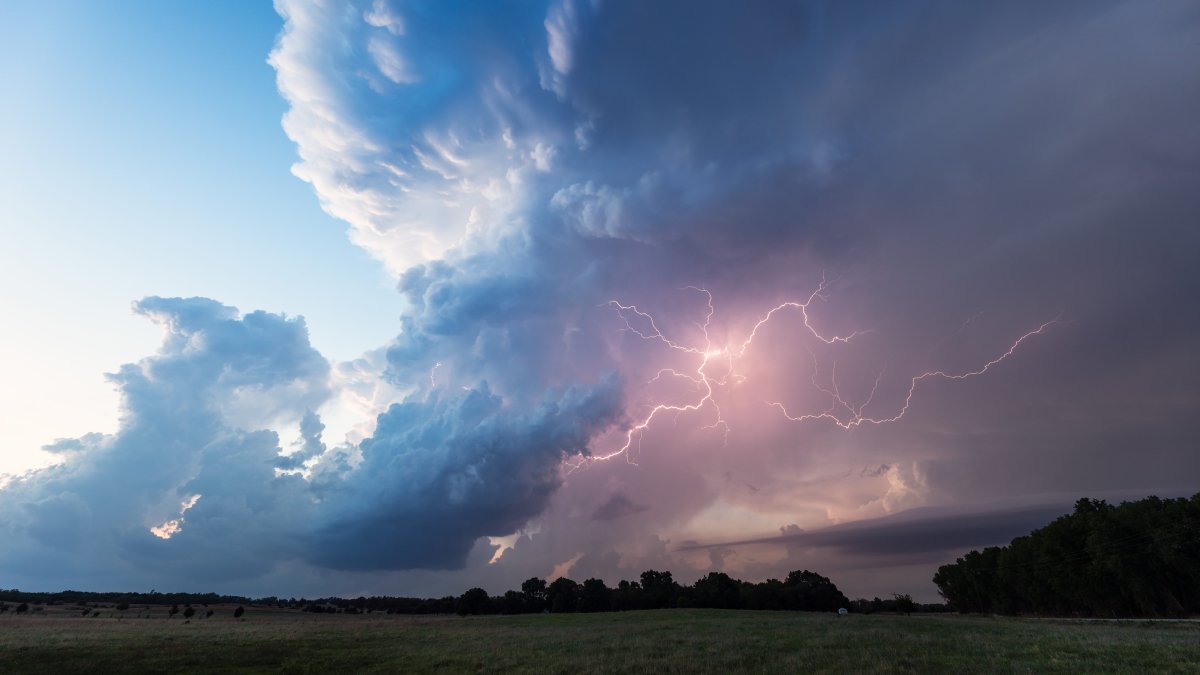
A record-breaking lightning bolt that spanned an impressive 515 miles has been declared the longest in recorded history by the World Meteorological Organization. This extraordinary "megaflash" occurred during a severe storm in 2017, stretching from eastern Texas to near Kansas City. Megaflashes are massive bolts of lightning that travel vast distances, a phenomenon that was only discovered about a decade ago with the advancement of technology to detect lightning events accurately.
These megaflashes are not uncommon in regions with specific atmospheric conditions that lead to severe thunderstorms. In the Great Plains and Midwest, the collision of warm, humid air from the Gulf of Mexico with colder, drier air from the north creates the perfect environment for these extraordinary lightning events. While megaflashes can extend across multiple states, they typically occur high up in the atmosphere and do not cause significant damage on the ground.
The 2017 megaflash was part of a massive storm system that covered a significant portion of the U.S., from Texas to Iowa and Missouri. Despite their awe-inspiring nature, megaflashes raise concerns about public safety, particularly in the aviation sector and the risk of wildfires. Lightning storms, in general, are powerful and dangerous phenomena, with lightning causing fatalities and injuries each year in the United States.
The 2017 lightning flash surpasses the previous world record by approximately 38 miles, highlighting the importance of advancements in technology for accurately measuring and detecting these extreme weather events. As satellite technologies continue to improve, scientists anticipate discovering even longer megaflashes in the future. The World Meteorological Organization's Committee on Weather and Climate Extremes maintains official records of various extreme weather events, including lightning, to better understand their impacts on society.
In conclusion, the 2017 megaflash stands as a testament to the incredible power of nature and the importance of monitoring and studying extreme weather events for public safety and scientific advancement. As technology continues to evolve, we can expect to uncover even more remarkable phenomena that shed light on the complexities of our planet's weather systems.