Navigating Trump's Trade Policies: Impact, Challenges, and Uncertainties
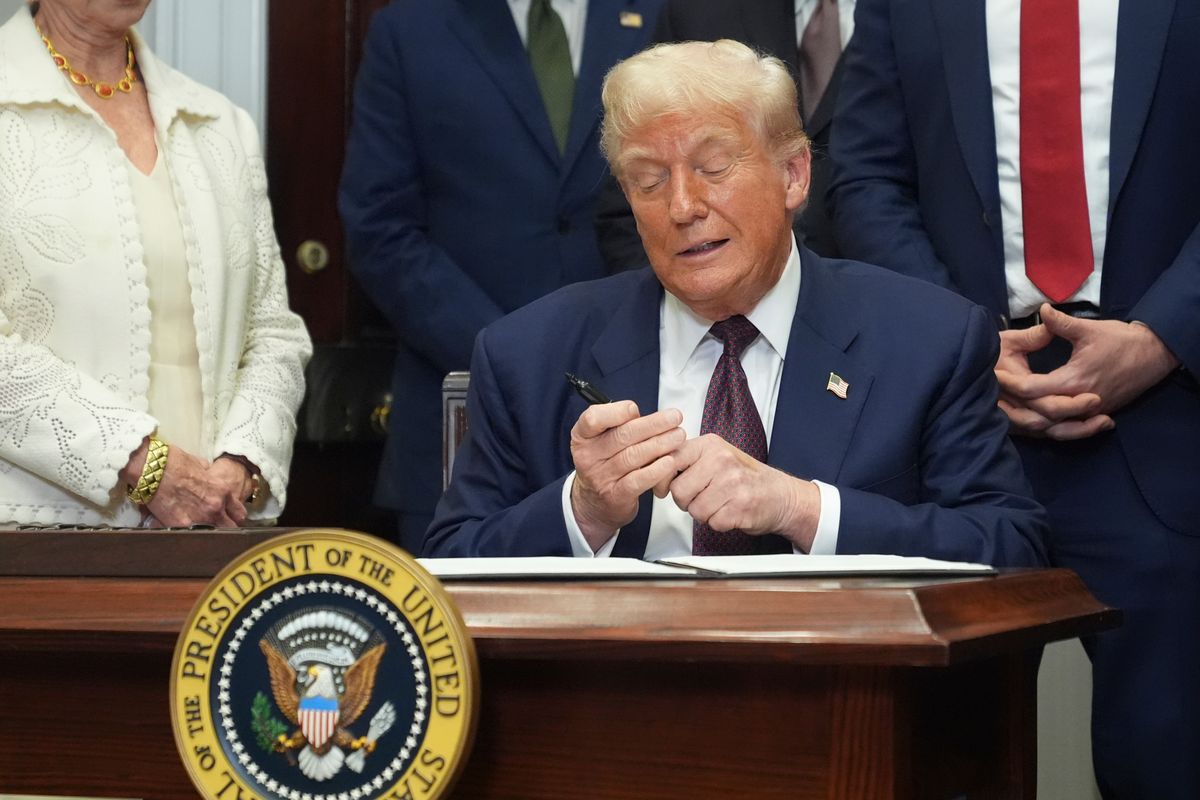
President Donald Trump's trade policies have been reshaping the global economic landscape, despite initial skepticism from economists. The tariffs imposed by Trump have led to price increases, but the markets have rebounded, and consumer confidence is on the rise. While some preliminary agreements have been reached with key trading partners, there are still concerns about the long-term impact on the U.S. economy.
Trump's trade war has resulted in higher tariffs on certain products, but the administration has also backed down from some of its more extreme threats. The recent deals with the European Union, Japan, the United Kingdom, and Vietnam lack enforcement mechanisms and may not be sustainable in the long run. However, these agreements have helped ease market concerns and boost business confidence.
Despite the positive economic indicators, experts warn that the trade war could slow down U.S. economic growth and lead to higher prices in the short term. The ongoing negotiations with China and other major trading partners will be crucial in determining the future impact of Trump's trade policies. While the immediate fears of a trade shock have been alleviated, the long-term consequences remain uncertain.
The trade deals negotiated by Trump so far are seen as fragile and limited in scope. They have not been formalized through official channels and could be subject to change at any time. The lack of a comprehensive trade agreement with major trading partners raises concerns about the stability of the current trade environment. The risk of a recession still looms, with analysts warning of potential economic challenges in the coming months.
In conclusion, President Trump's trade policies have had a significant impact on the global economy, with mixed results. While the initial market reactions have been positive, there are concerns about the long-term consequences of the trade war. The ongoing negotiations with key trading partners will be crucial in determining the future trajectory of the U.S. economy.