National Guard Troop Reduction in Los Angeles: Impact and Controversy
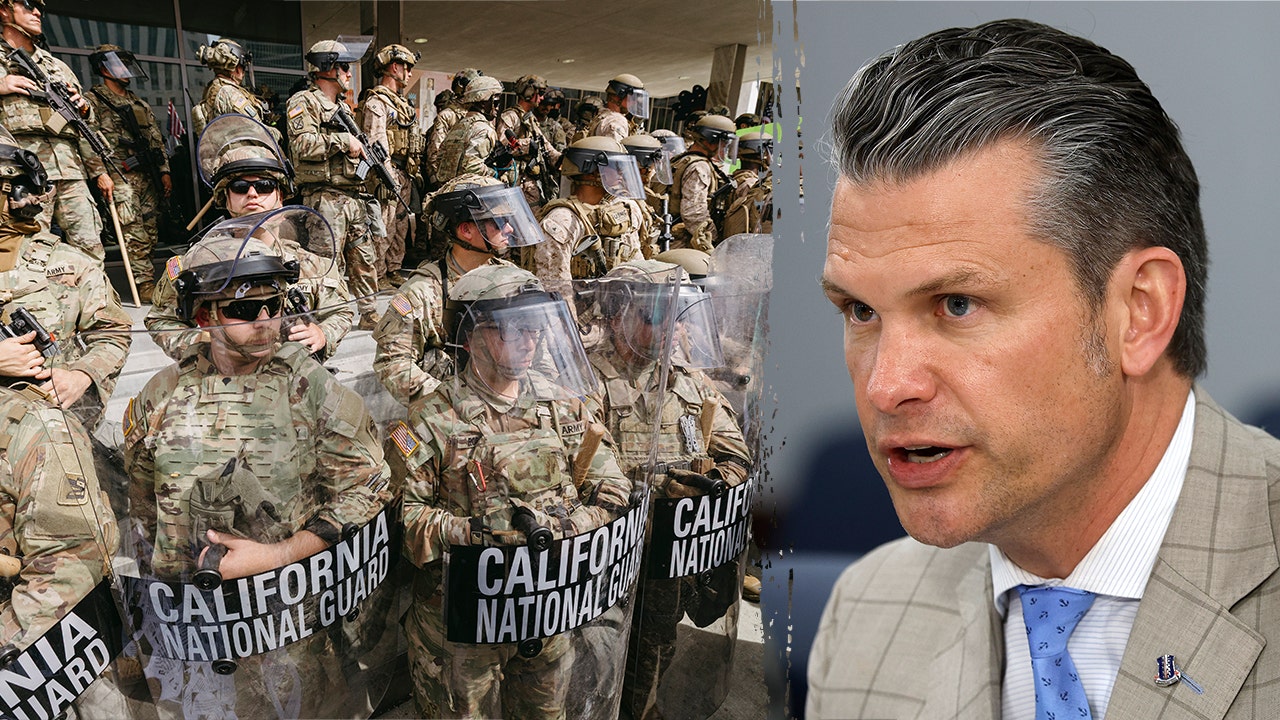
The Pentagon has decided to reduce the number of National Guard members in Los Angeles, with only 250 troops remaining in the city to protect federal personnel and property. This decision comes as anti-ICE protests in Los Angeles have subsided, prompting Defense Secretary Pete Hegseth to order the withdrawal of 1,350 National Guard members.
In June, approximately 4,000 National Guard soldiers and 700 Marines were deployed to Los Angeles to address riots against immigration raids. Despite objections from state and local leaders, including Governor Gavin Newsom, the federal deployment proceeded. Half of the National Guard troops were withdrawn earlier, followed by the Marines a few days later.
Los Angeles Mayor Karen Bass expressed satisfaction with the reduction of troops, calling it a victory for the city. She emphasized the impact on the troops' families and jobs, highlighting the diversion of their resources from potential dangers or community assistance to guarding federal buildings.
The National Guard troops primarily focused on protecting federal buildings, including the ICE office and detention facility downtown, as well as supporting federal agents during immigration raids. California leaders criticized the federal deployment as unnecessary and exacerbating tensions in the city, despite ongoing protests against deportations and immigration raids.
Governor Newsom condemned President Donald Trump's use of the military for political purposes, stating that the troops should not be exploited for propaganda. California had sued to halt the federal deployment, arguing that it violated the law and requesting the troops be barred from participating in immigration enforcement activities.
Initially, a lower court ruled in favor of returning control of the National Guard to Newsom, but the 9th U.S. Circuit Court of Appeals temporarily blocked the order. The situation remains contentious as protests persist, albeit on a smaller scale and scattered throughout the city.
In conclusion, the reduction of National Guard troops in Los Angeles reflects a shift in response to the evolving situation in the city, with a focus on de-escalation and addressing concerns raised by state and local leaders. The ongoing debate over the federal deployment highlights the complex intersection of federal and state authority in addressing civil unrest and immigration enforcement issues.