Advancing High-Speed Rail in the U.S.: Mapping Out a Nationwide Network
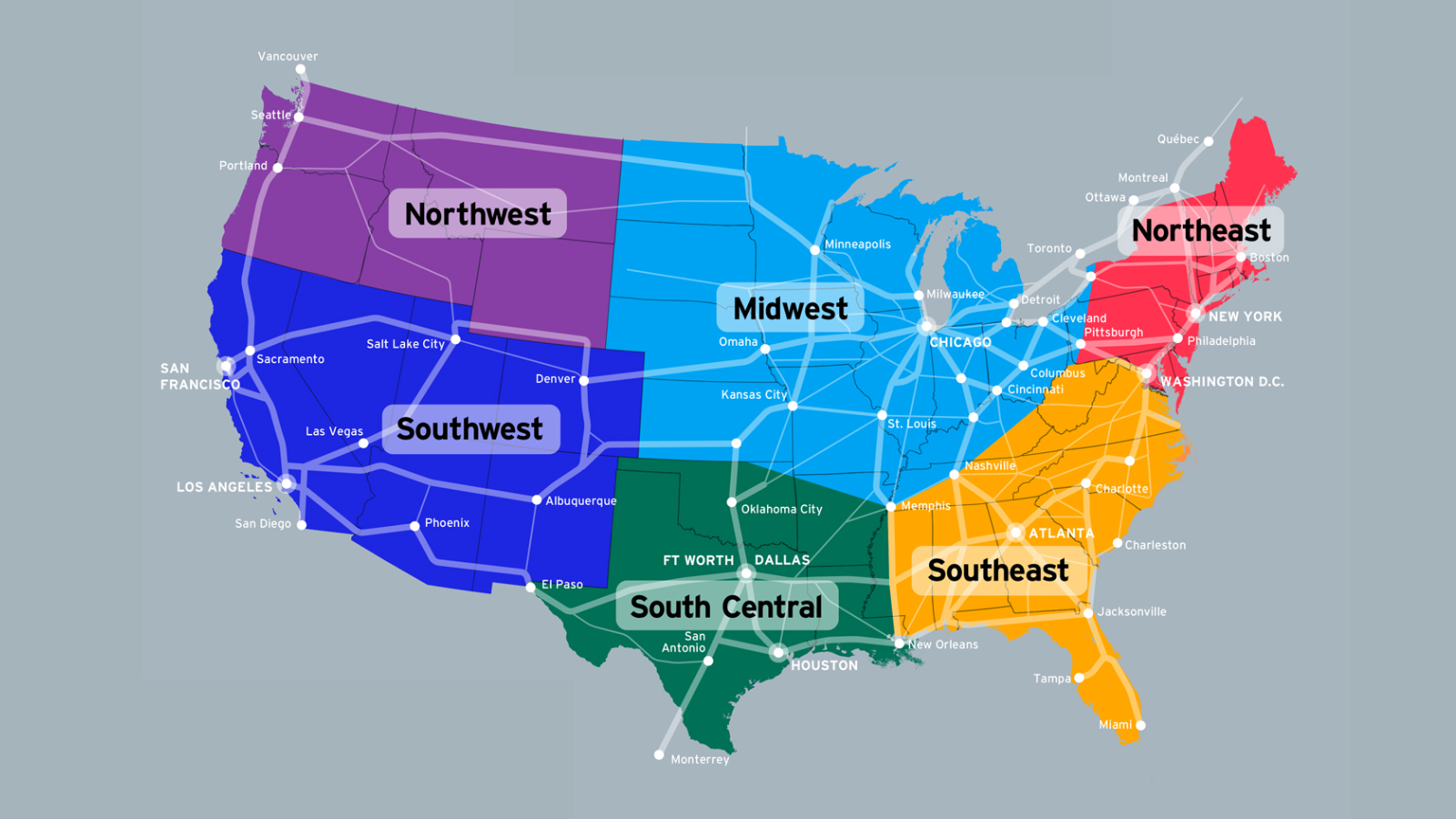
The U.S. High Speed Rail Alliance has released a map showcasing potential high-speed rail lines that could span across all mainland states. Despite some skepticism from the Trump administration, the organization advocates for increased exploration of high-speed rail technology. The largest project in California aims to connect major cities like San Francisco, Sacramento, Los Angeles, and San Diego, with costs escalating significantly over the years. Another project in Texas, linking Dallas and Houston, has yet to commence construction despite partnerships with Japanese investors experienced in bullet trains.
Advocates believe that investing in high-speed rail could greatly benefit the economy and enhance the quality of life nationwide. The proposed map covers all states except Alaska and Hawaii, aiming to connect regions like the Northwest and Midwest to major hubs such as Chicago and San Francisco. The Southeast would also be linked to Texas and the Northeast Corridor, the busiest rail network in the U.S.
The U.S. High Speed Rail Alliance has been vocal in supporting high-speed rail projects in California and Florida, launching a petition to protect the California project when it faced criticism from Trump. The organization believes that California has a leading state rail plan and envisions world-class train and transit services by 2050. Railway expert Gareth Dennis emphasizes the importance of state-level management for rail infrastructure, suggesting that federal oversight should focus on setting standards and legislation rather than detailed planning.
The progress of high-speed rail projects in California, Florida, and Texas will serve as a model for other states considering similar investments. These projects require substantial funding and long-term commitment, setting a precedent for future high-speed rail initiatives across the country.