Rising Abortion Rates in the U.S.: Insights from the WeCount Project Report
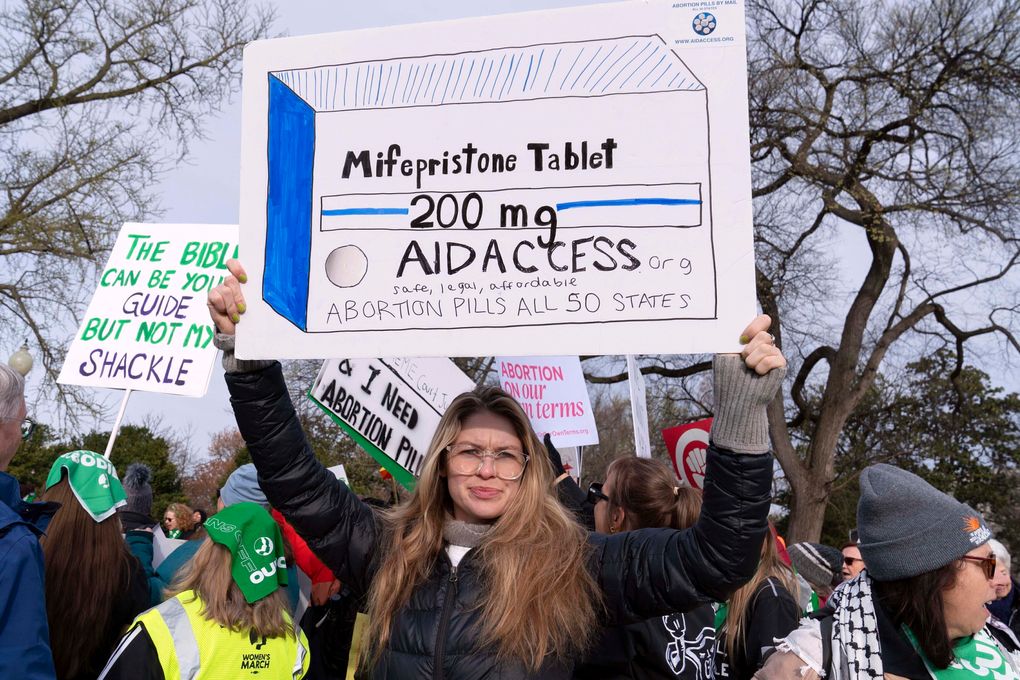
The number of abortions in the United States increased in 2024, despite bans and restrictions in many states. A report by the WeCount project of the Society of Family Planning revealed this trend. Currently, 12 states have implemented bans on abortion at all stages of pregnancy, with limited exceptions, while four states have bans that start at around six weeks into pregnancy. The total number of abortions has risen gradually over the past three years, with some states reporting near-zero abortions, and the use of pills obtained through telehealth appointments has become more common nationwide.
The latest survey released by WeCount estimated approximately 1.1 million abortions in the U.S. last year, averaging about 95,000 abortions per month. This number has increased from about 88,000 monthly in 2023 and 80,000 a month between April and December of 2022. The Society of Family Planning relies on surveys of abortion providers and estimates to gather this data. The use of telehealth for prescribing abortion pills has significantly increased, with about 1 in 4 abortions being accessed through telehealth in the last three months of 2024.
WeCount found that approximately half of telehealth abortions last year were facilitated by shield laws in some states. The data also showed an increase in telehealth abortions in states without bans. However, it is important to note that not all prescriptions for abortion pills result in abortions, as some women may change their minds or seek in-person abortion services. The WeCount data provides valuable insights into the use of pills in states with abortion bans.
Efforts to restrict access to abortion pills are intensifying, with three states suing to limit telehealth prescriptions of mifepristone, a key drug used in medication abortions. President Donald Trump's administration has stated that these states may not have legal standing to make their case. Louisiana is using criminal laws to address the issue, and there are attempts in Texas to impose civil penalties on doctors prescribing abortion pills. Louisiana lawmakers are also working on further restricting access to these pills.
In conclusion, despite bans and restrictions in several states, the number of abortions in the U.S. has increased, with telehealth appointments for abortion pills becoming more prevalent. Efforts to limit access to abortion pills are ongoing, with legal battles and legislative actions shaping the landscape of reproductive healthcare in the country.