Navigating the Global Economic Landscape: World Bank's Revised Growth Forecasts and Trade War Impact
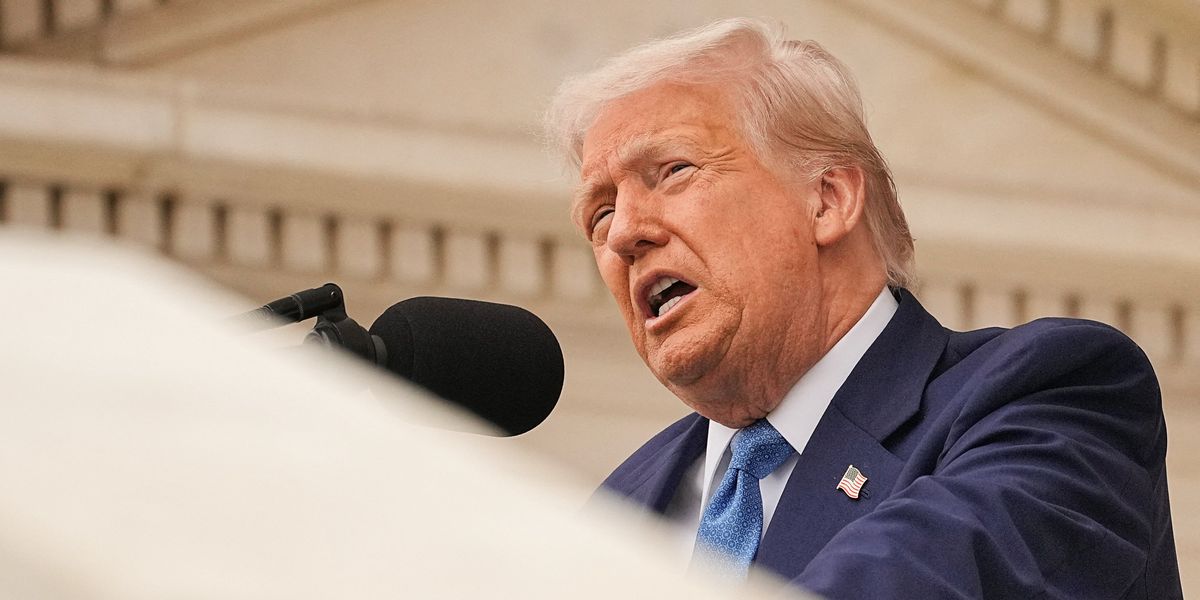
The World Bank has revised its global economic growth forecasts downward due to the impact of the trade war initiated by Donald Trump. The organization predicts that the 2020s will be the weakest decade for the global economy since the 1960s. The World Bank now expects global GDP growth to reach 2.3% this year, down from the previous estimate of 2.7% in January. This slowdown is attributed to the trade tensions and uncertainty caused by Trump's tariff policies.
The World Bank's chief economist, Indermit Gill, highlighted the stagnation in economic progress in developing countries in recent years. He noted that growth in investment and trade has slowed down, leading to a buildup of debt. The report emphasizes the need for governments to resolve trade tensions and for emerging market economies to strengthen their public finances through tax reforms and investment-friendly policies.
The World Bank's forecast assumes that the reciprocal tariffs announced by Trump in April will not be reinstated after the 90-day pause. However, the report warns that the global economic outlook remains uncertain, with risks tilted towards the downside. The escalation of trade restrictions or prolonged policy uncertainty could further dampen global growth and lead to financial stress.
The World Bank also raises concerns about the rising sovereign bond yields in many economies, fueled by tariff policies and doubts about the sustainability of US public finances. The report highlights the increasing debt distress in low-income countries, exacerbated by declining aid flows. Anti-poverty advocates are calling for a new process to review sovereign debt at an upcoming international conference on financing for development.
In conclusion, the World Bank's revised forecasts underscore the challenges facing the global economy, with trade tensions and policy uncertainty posing significant risks to growth. Governments are urged to address these issues through dialogue and reforms to ensure sustainable economic development in the coming years.