Title: "Oil Revenue Dispute Escalates: Baghdad vs. Kurdistan Region
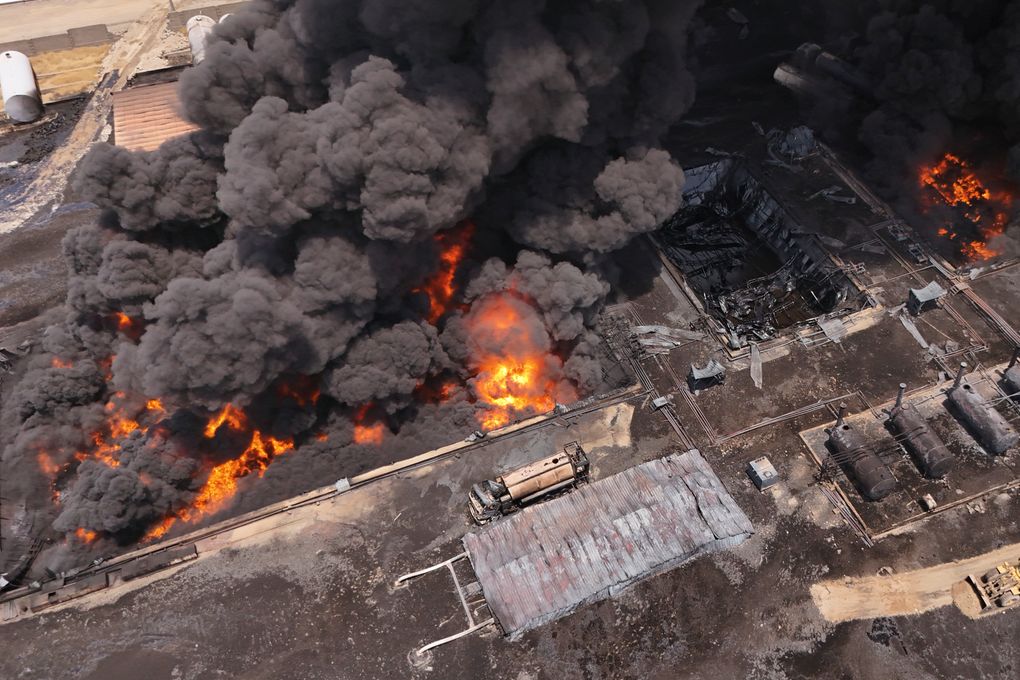
The ongoing dispute between Iraq's central government in Baghdad and the semi-autonomous Kurdish region in the north has intensified over the sharing of oil revenues. Baghdad has accused the Kurdish authorities of engaging in illegal deals and oil smuggling, leading to a cutoff of public sector salaries in the Kurdish region. This move has been labeled as "collective punishment" by the Kurdish authorities, who have threatened to retaliate.
The conflict stems from the Kurdish region's decision in 2014 to independently export oil to Turkey through a separate pipeline, bypassing the Iraqi national oil company. Baghdad considers this move illegal and has taken legal action against Turkey. Despite attempts to resolve the issue and restart oil exports, progress has been slow, with tensions escalating between the two sides.
Prime Minister Masrour Barzani of the Kurdistan Regional Government recently signed energy deals with U.S. companies during a visit to Washington, further exacerbating the situation. The federal government in Iraq has filed a lawsuit against the regional government, claiming that such deals should have been approved by Baghdad.
The Iraqi Ministry of Finance announced the suspension of funding for public sector salaries in the Kurdistan Region due to the authorities' failure to hand over oil and non-oil revenues to the federal treasury. This decision has sparked outrage in the Kurdish region, with accusations of financial mismanagement and corruption on both sides.
The Ministry of Oil in Iraq has accused the Kurdish authorities of not delivering crude oil for export through the state-run company, resulting in significant financial losses. Baghdad has also alleged oil smuggling by the Kurdish region, further straining relations between the two parties.
The Kurdish region's Ministry of Natural Resources has refuted these allegations, claiming that it has complied with agreements to sell oil through the national oil company. It has accused Baghdad of violating the constitution and engaging in a policy of collective punishment against the people of the Kurdistan Region.
As the political dispute continues, residents of the Kurdish region, like public school teacher Saman Ali Salah, are feeling the impact of the salary cutoff. Salah, whose daughter is hospitalized after an accident, expressed frustration with the situation and called for accountability from the officials involved. The ongoing conflict has left many in the region caught in the middle of a complex and protracted dispute.
In conclusion, the tensions between Iraq's central government and the Kurdish region over oil revenues have escalated, leading to a cutoff of public sector salaries and accusations of illegal deals and smuggling. The dispute highlights the challenges of governance and resource-sharing in a country with a history of internal divisions and conflicts.