President Trump's New Travel Ban: Impact on Citizens from 12 Countries in Africa and the Middle East
President Donald Trump has implemented a new travel ban affecting citizens from 12 countries in Africa and the Middle East. The ban, which went into effect on Monday, targets individuals from countries such as Afghanistan, Myanmar, Chad, and others. It also imposes stricter restrictions on individuals from additional countries who do not hold valid visas.
The ban does not impact previously issued visas but will result in the rejection of new visa applications unless applicants meet specific exemption criteria. Despite the ban, travelers with existing visas should still be able to enter the U.S. without issue. This new policy follows previous challenges and revisions to immigration enforcement measures during Trump's first term.
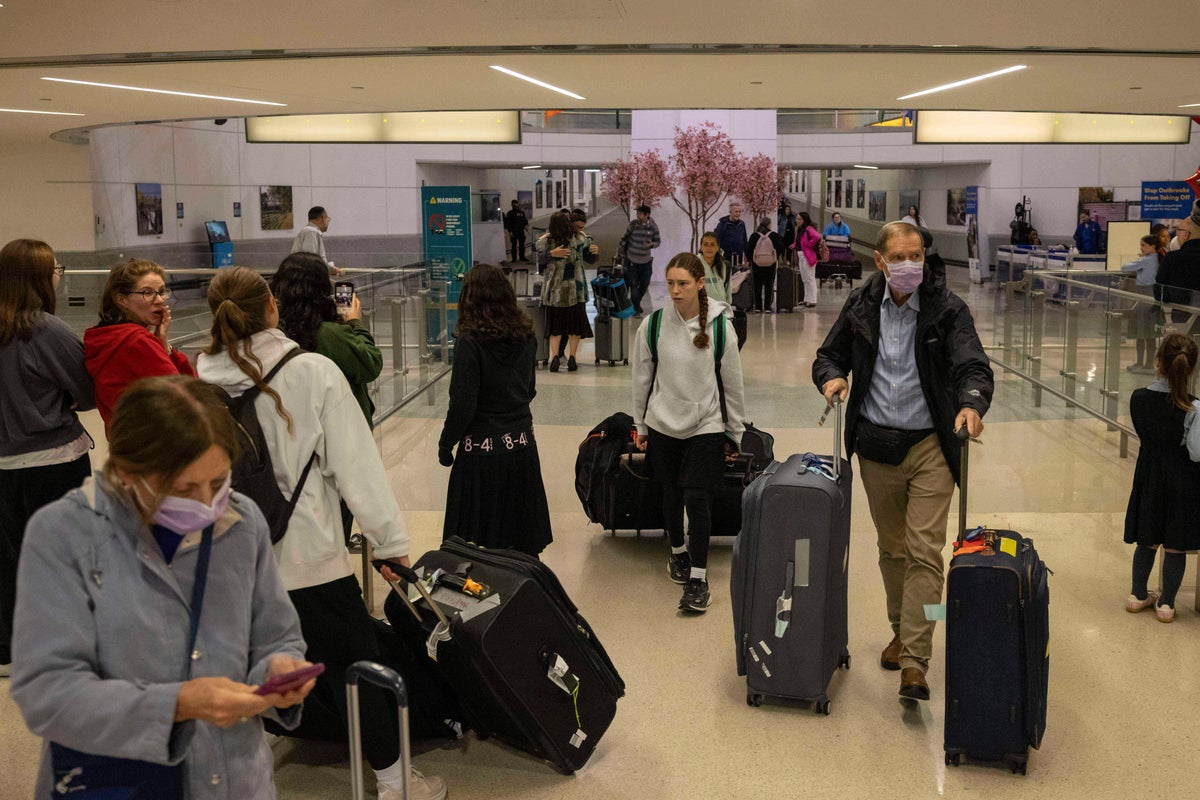
Initial reports from airports like Los Angeles International Airport and Miami International Airport indicate no immediate disruptions due to the new ban. Travelers, including Cuban American Magda Moreno and Haitian-American Elvanise Louis-Juste, expressed concerns about the restrictions affecting their ability to reunite with family members and escape violence in their home countries.
Experts suggest that the new ban is more carefully crafted to withstand legal challenges by focusing on visa application processes and citing overstay rates for certain countries. Trump justified the ban by highlighting deficiencies in screening processes and the risks posed by individuals who overstay visas, referencing a recent terrorist attack in Boulder, Colorado.
Critics of the ban, including organizations like Oxfam America, argue that it promotes division and unfairly targets communities seeking safety and opportunity in the U.S. The inclusion of Afghanistan in the ban has drawn criticism, although exceptions are made for individuals with Special Immigrant Visas who worked closely with the U.S. government during the conflict in Afghanistan.
Overall, the new travel ban has sparked debate and raised concerns among affected individuals and advocacy groups, highlighting ongoing challenges in immigration policy and enforcement.