Debate Over Spending Cuts in Key Entitlement Programs: The Battle for Fiscal Responsibility and Social Welfare
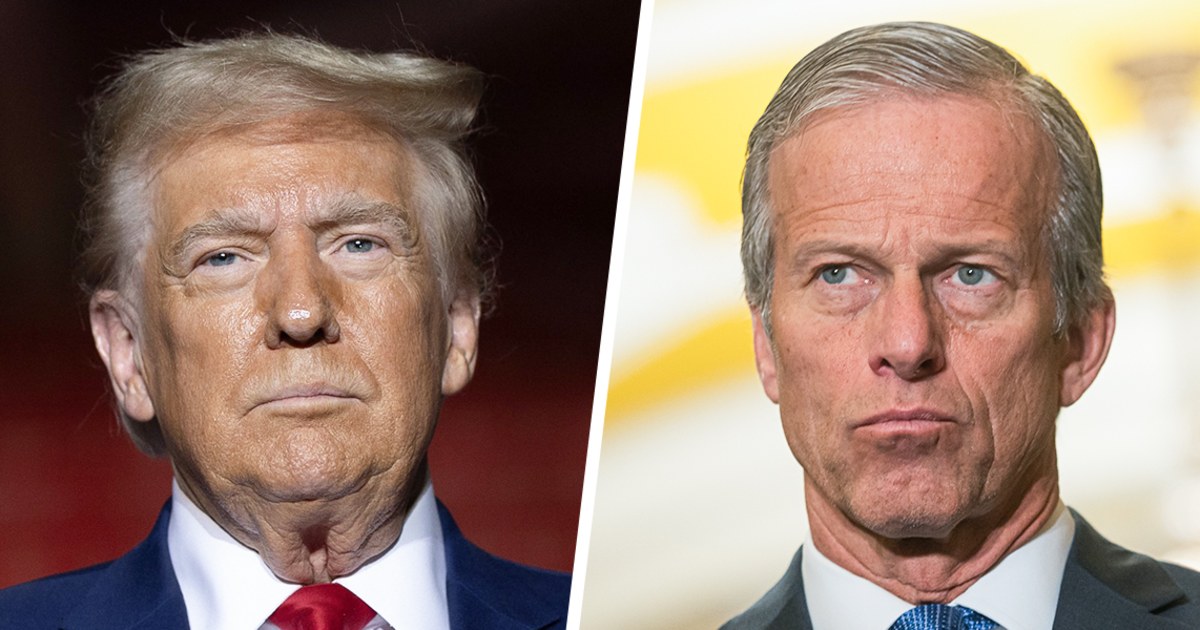
President Donald Trump and billionaire Elon Musk are embroiled in a feud, while Senate Republicans are on the hunt for spending cuts in a significant bill that sparked the conflict. The bill, known as the “One Big Beautiful Bill Act,” is projected to add $2.4 trillion to the national debt over the next ten years. Some Senate Republicans are seeking to reduce this debt increase by targeting Medicare and making cuts to the program. This move follows substantial cuts to Medicaid and other entitlement programs included in the bill.
The House version of the bill includes $1.6 trillion in tax cuts for the wealthiest 5% of Americans, prompting some Senate Republicans to focus on increasing spending cuts to offset these tax incentives. With Medicaid and other programs already facing significant reductions, attention has turned to Medicare as a potential target for cuts. Lawmakers are exploring ways to address waste, fraud, and abuse in Medicare to achieve savings without directly impacting beneficiaries.
Despite assurances from President Trump that Medicare, Medicaid, and Social Security would not be touched, the push for spending cuts continues. While the administration emphasizes targeting waste, fraud, and abuse in government spending, concerns remain about the potential impact on millions of Americans who rely on these programs. Recent polls indicate that a majority of Americans, including Republicans, are worried about the consequences of cuts to Medicaid and the potential increase in the number of uninsured individuals.
Some GOP senators are hesitant to support cuts to Medicare, citing the political risks associated with reducing benefits for constituents. The prospect of targeting Social Security in a similar manner raises concerns about the broader implications of using “waste, fraud, and abuse” as justification for cuts to essential programs. Despite previous promises to protect Social Security, the administration's focus on addressing alleged fraud within the program raises questions about its long-term intentions.
In conclusion, the ongoing debate over spending cuts in key entitlement programs highlights the challenges facing lawmakers as they navigate competing priorities and political considerations. The potential impact on millions of Americans underscores the importance of thoughtful and informed decision-making to ensure the well-being of vulnerable populations while addressing fiscal concerns. As the discussion continues, the future of Medicare, Medicaid, and Social Security remains a critical issue for policymakers and the public alike.