California's Tax Imbalance: The Debate Over Donor States and Federal Funding
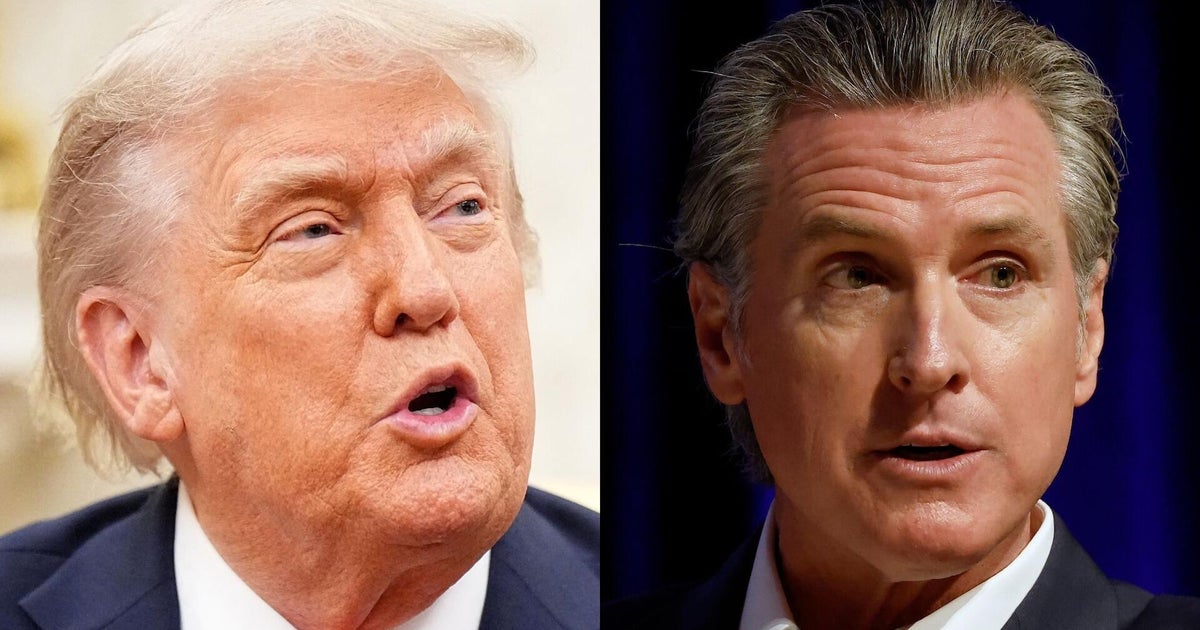
The escalating tensions between California and the Trump administration are not limited to immigration issues but are also extending to potential conflicts over taxes. Reports have surfaced that the Trump administration is contemplating reducing funding for California's university system, which is the largest in the country with approximately 12% of all U.S. enrolled students. Governor Gavin Newsom responded by highlighting that California contributes around $80 billion more in taxes to the federal government than it receives in return. This has sparked a debate about the concept of donor states, with California being the largest one based on tax data.
In 2022, California's residents and businesses generated $692 billion in tax revenue for the federal government, while the state received $609 billion in federal funding, resulting in a significant gap of about $83 billion. The state's substantial tax contribution is attributed in part to its high number of affluent residents who pay a larger portion of their income in federal taxes compared to lower-income individuals. California's tax imbalance underscores the disparities among states in terms of tax contributions and federal funding allocations.
California is not alone in its status as a donor state, as there are 11 other states that contribute more in taxes to the federal government than they receive in return, according to the Rockefeller Institute of Government. Conversely, some states receive more federal funding than they contribute in taxes, with variations stemming from factors such as the prevalence of federal aid programs like Medicaid and the presence of federal facilities like military bases.
Governor Newsom's suggestion of boycotting federal tax payments as a response to potential funding cuts prompted a strong reaction from Treasury Secretary Scott Bessent, who warned against the governor's proposal, labeling it as a threat to commit criminal tax evasion. Bessent cautioned that such actions could result in California residents being held accountable for unpaid federal taxes, emphasizing the legal implications of withholding tax payments.
In conclusion, the debate over California's tax contributions and federal funding highlights the complex dynamics of state-federal financial relationships. The tensions between the state and the federal government underscore the broader issues of taxation, funding allocations, and the implications of potential actions on both sides. The ongoing discourse reflects the challenges and complexities inherent in the intersection of state autonomy and federal oversight in matters of taxation and financial support.