Trump's Transactional Presidency: Loyalty, Rewards, and Retribution
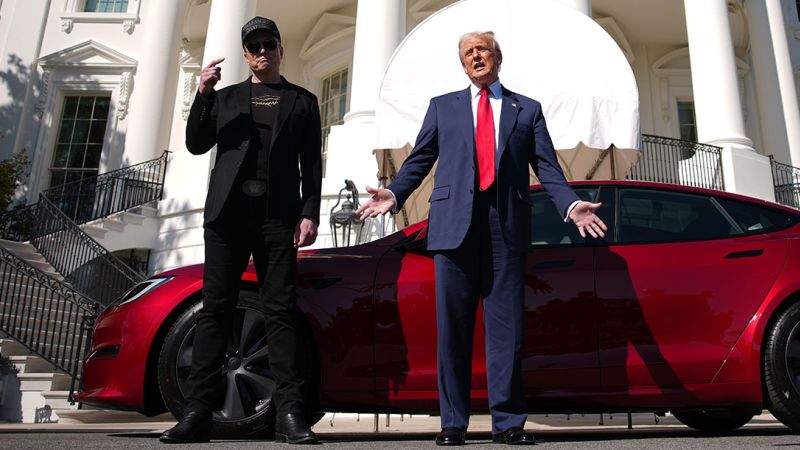
President Donald Trump is using his executive powers to reward his allies and punish his adversaries, transforming the federal government into a tool for his personal agenda. He has targeted powerful institutions like Harvard and Columbia universities, major law firms, and individual critics, while rewarding allies with pardons, government contracts, and the termination of investigations. The recent fallout with Elon Musk exemplifies Trump's transactional approach to the presidency, where loyalty to him determines favorable treatment or costly confrontations. This unprecedented use of federal power to enforce personal loyalty has drawn comparisons to authoritarian regimes.
Unlike past presidents, Trump has shown a willingness to swiftly deploy federal power against those who oppose him. He has revoked security clearances, initiated federal investigations, and imposed penalties on critics and institutions he deems hostile. Trump's administration has targeted large law firms, universities, and media outlets, while rewarding allies with dropped charges, terminated investigations, and pardons. This approach has been likened to a protection racket, where compliance with Trump's demands offers protection from federal interference, while resistance invites consequences.
While previous presidents like Richard Nixon sought to use federal power to advance personal and political interests, Trump's actions go further in centralizing power and weakening independent institutions. Trump's public threats and actions against critics and adversaries signal a departure from Nixon's more discreet approach. The lack of pushback from within his administration and a compliant Republican Congress have enabled Trump to pursue his agenda with little restraint. The courts remain a key obstacle to Trump's plans, but the Supreme Court's composition may influence the outcome of legal challenges to his actions.
In conclusion, President Trump's use of federal power to reward allies and punish adversaries represents a significant departure from past administrations. His transactional approach to governance, characterized by threats and rewards based on personal loyalty, has raised concerns about the erosion of democratic norms and the concentration of power in the executive branch. While legal challenges and judicial pushback have provided some checks on Trump's actions, the long-term implications of his unprecedented use of federal authority remain uncertain.