Reducing Medicaid Costs Through Substance Use Disorder Treatment: A Key Strategy for Long-Term Savings
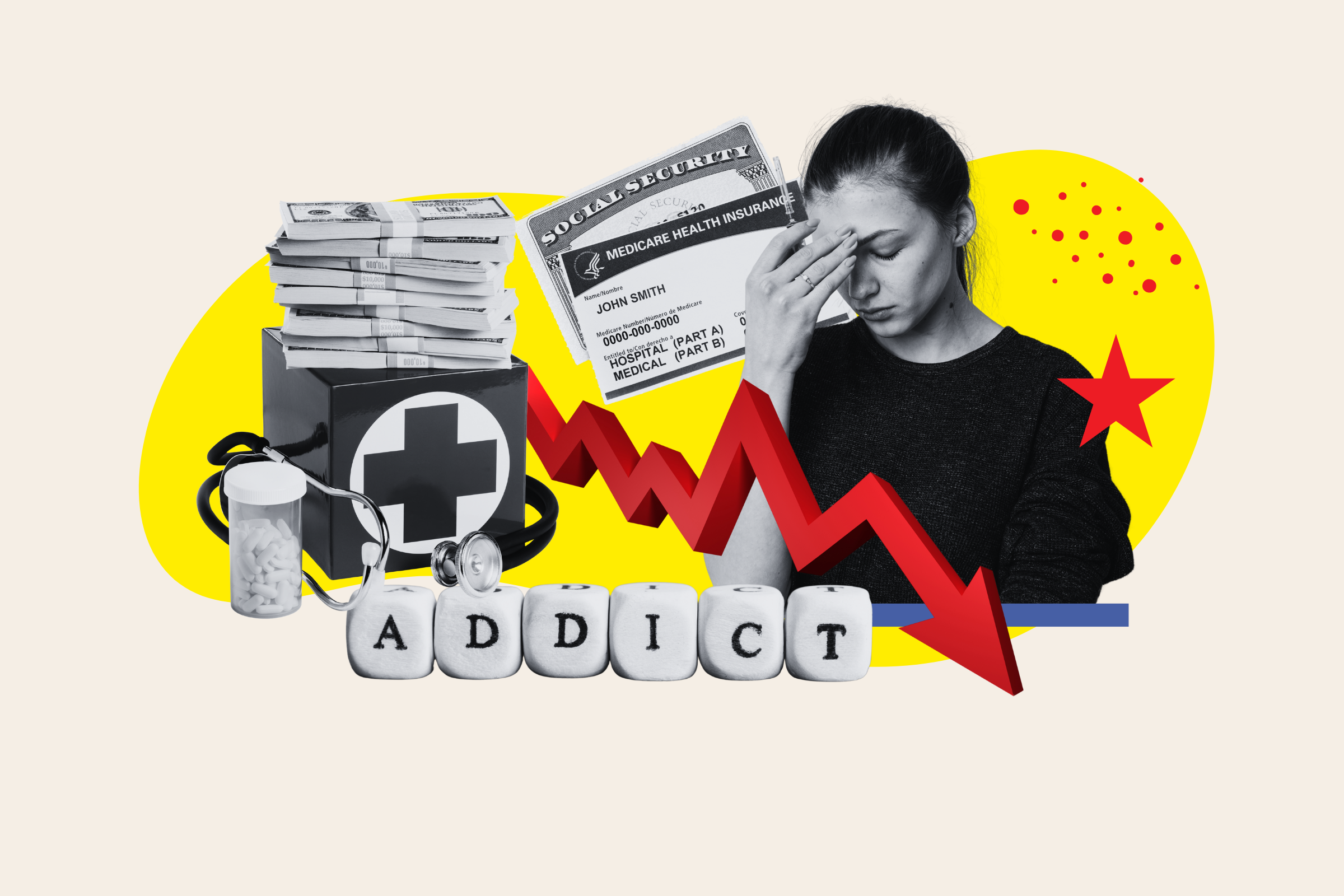
The ongoing debate over Medicaid costs has intensified as the Trump administration aims to cut spending, with Medicaid accounting for a significant portion of the proposed budget reductions. The potential impact of these cuts on the millions of Americans who rely on Medicaid for healthcare has sparked controversy and concern among lawmakers and experts alike. Amidst this debate, some experts suggest that addressing substance use disorders could be a key strategy to reduce Medicaid costs.
Individuals enrolled in Medicaid with substance use disorders incur higher healthcare costs due to additional health complications, both physical and mental. These individuals often face challenges accessing quality care and preventive services, leading to fragmented care and increased reliance on costly healthcare services. Undiagnosed substance use disorders can also result in severe health consequences, such as overdoses and infectious diseases, further driving up healthcare costs.
While addressing substance use disorders may not yield immediate cost savings for Medicaid, investing in prevention and treatment could have long-term economic benefits. By prioritizing substance use treatment, Medicaid enrollees may experience improved health outcomes, potentially reducing the need for costly emergency visits and hospitalizations. Effective treatment can also help individuals manage their conditions, leading to decreased overall Medicaid spending in the long run.
Experts believe that early intervention and better care coordination for substance use disorders could result in reduced use of expensive medical services and prevent the onset of chronic diseases. While the cost-effectiveness of addressing substance use disorders in the context of Medicaid remains a complex issue, research suggests that evidence-based treatments can lead to cost savings and improved outcomes for individuals with substance use disorders. Expanding access to medications for opioid use disorder and increasing the availability of evidence-based treatments are crucial steps in reducing the burden of substance use disorders on the Medicaid program.
In conclusion, addressing substance use disorders within the Medicaid population has the potential to improve health outcomes, reduce healthcare costs, and enhance overall quality of life for individuals. While the immediate financial impact of such interventions on the Medicaid budget may be uncertain, the long-term benefits of prevention and treatment could lead to significant cost savings and positive societal outcomes.