Charting a Course for Ocean Conservation: Insights from the Third United Nations Ocean Conference
The third United Nations Ocean Conference is set to begin, with nations under pressure to fulfill their promises of protecting the sea. Currently, only 2.7% of the ocean is effectively safeguarded from harmful activities, falling short of the 30% conservation target by 2030. The focus of this year's summit is on ratifying the High Seas Treaty, which would enable nations to establish marine protected areas in international waters, an area largely unregulated and prone to overfishing.
The ocean plays a crucial role in stabilizing the Earth's climate and supporting life by generating oxygen, absorbing carbon dioxide emissions, and capturing excess heat. Without a healthy ocean, experts warn that climate goals will be unattainable. The High Seas Treaty requires ratification by 60 countries to come into effect, with only 32 countries having done so as of now. The hope is that the UN Ocean Conference can gather enough momentum to reach the required threshold for implementation.
The conference aims to address the significant gap between marine protection declarations and actual conservation efforts. While France claims to have exceeded the 30% marine protection target, environmental groups argue that only 3% of French waters are fully safeguarded from harmful activities like bottom trawling and industrial fishing. Similar concerns are raised across Europe, where designated marine protected areas lack proper management plans.
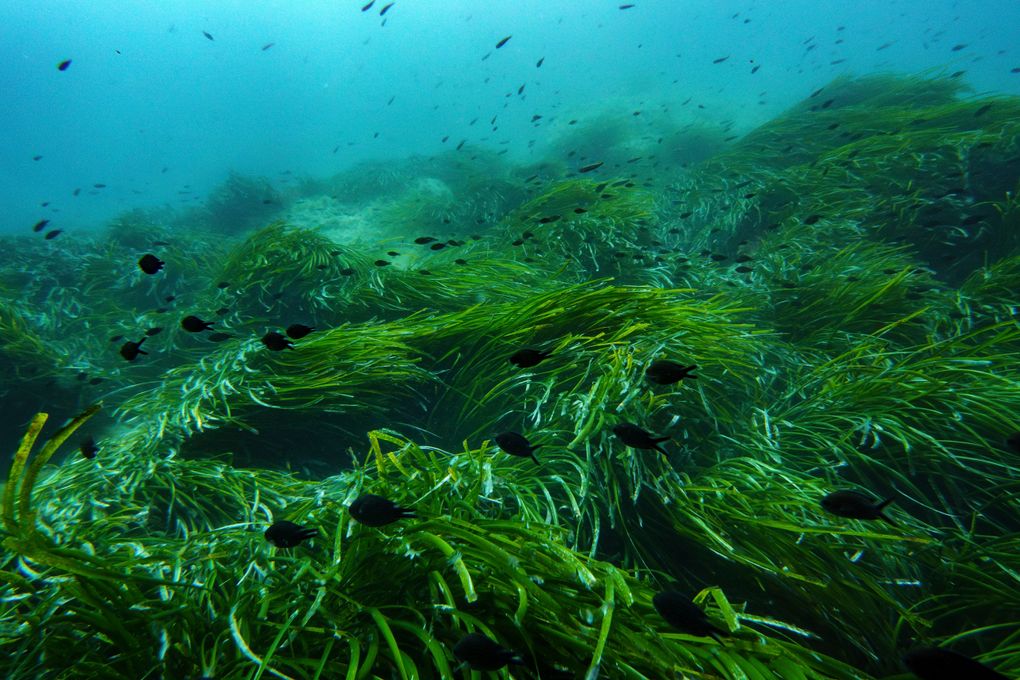
Despite challenges in enforcement, some marine protected areas demonstrate the positive impact of real protection measures. For instance, Port-Cros National Park in France has seen thriving marine life due to strict anchoring bans. However, industrial fishing lobbies continue to resist stricter protections, hindering the long-term sustainability of fisheries. Environmental groups have taken matters into their own hands, with actions like dropping boulders to block bottom trawling in protected zones.
The conference will cover various topics such as blue finance, sustainable fisheries, and plastic pollution, with a focus on deep-sea mining and climate adaptation funding for small island states. The outcomes of these discussions will shape the Nice Ocean Action Plan, a declaration of voluntary commitments to be presented at the United Nations in New York. The urgency of protecting the ocean is emphasized by U.N. special envoy for the ocean, Peter Thomson, highlighting the critical role of a healthy ocean in ensuring a healthy planet.