Challenges in Preserving America's Art Legacy: The Impact of GSA Staff Cuts
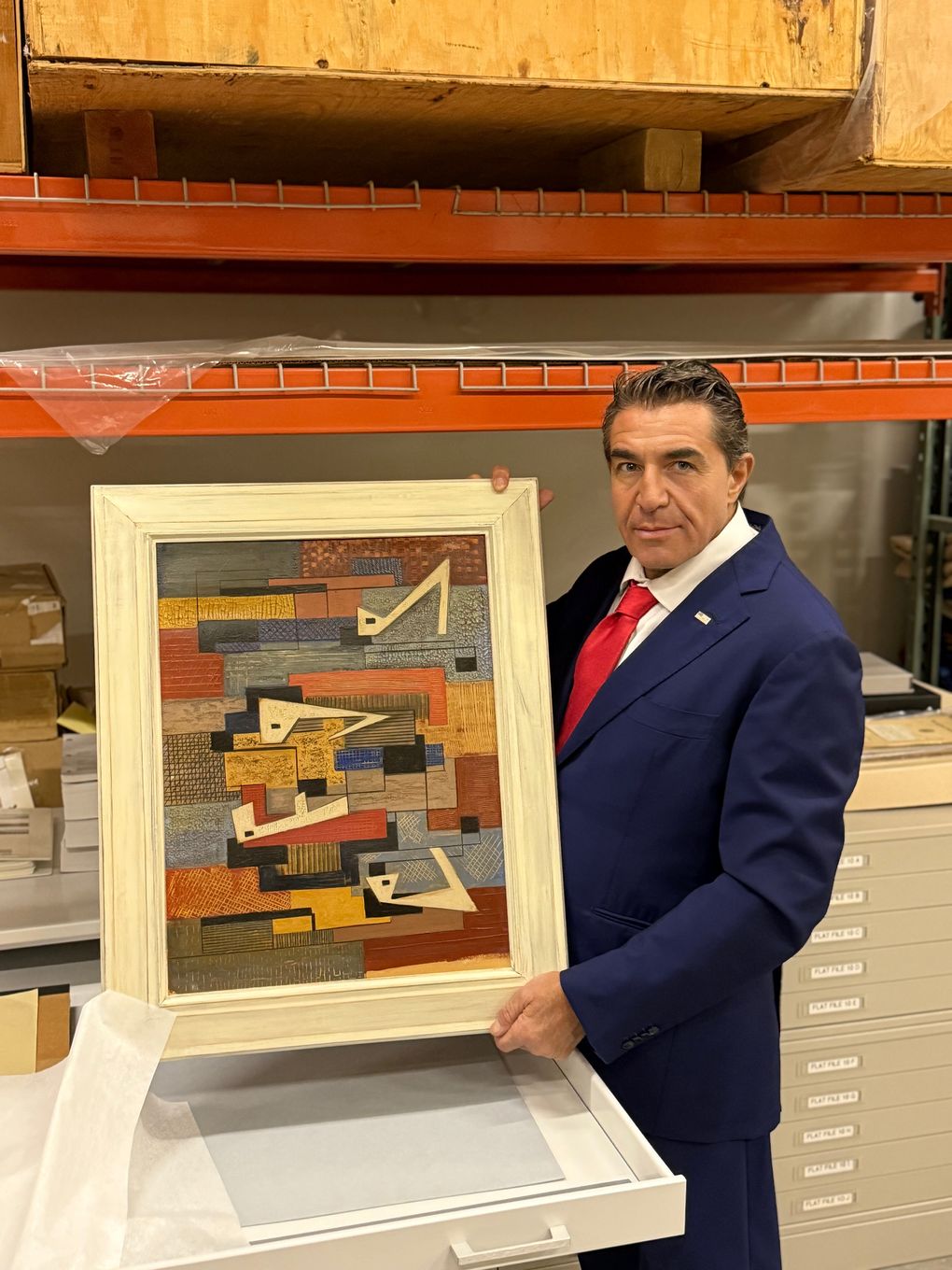
The U.S. government has curated a vast collection of over 26,000 artworks, including pieces by renowned artists like Louise Nevelson and Ellsworth Kelly, displayed in federal buildings and loaned to various institutions across the country. However, recent staff cuts in the General Services Administration have raised concerns among art experts about the preservation and accessibility of these valuable works.
The collection management staff at the GSA oversees a collection comparable in size to that of the Whitney Museum of American Art but spread across federal offices and private institutions in all 50 states, Puerto Rico, and the Virgin Islands. With the reduction in staff, there are fears that the care and maintenance of these artworks may be compromised.
Complicating matters further is the potential sale of federal properties, some of which house significant artworks that would be challenging to relocate. The GSA fine arts staff typically negotiates contracts to ensure the preservation of art left behind in such cases, but the reduced staff raises questions about who will manage these responsibilities.
The GSA's collection, dating back to the 1850s, includes artworks commissioned to support artists during the Depression and for new federal buildings. The agency has been overseeing the nation's artwork since its establishment in 1949, with the collection growing through programs like the Art in Architecture Program, which commissions American artists for federal projects.
Despite concerns about the risks to the collection, businessman Paolo Zampolli has proposed loaning federally owned art to museums in other countries as a way to promote American values internationally. However, the exact impact of the staff layoffs on the management of the collection remains uncertain, as the GSA has not provided specific details on how it plans to maintain the artworks with a reduced workforce.
In conclusion, the recent staff cuts in the GSA have raised significant concerns about the preservation and accessibility of the government's extensive art collection. With valuable artworks at risk due to reduced staffing and potential property sales, the future management and care of these cultural treasures remain uncertain.